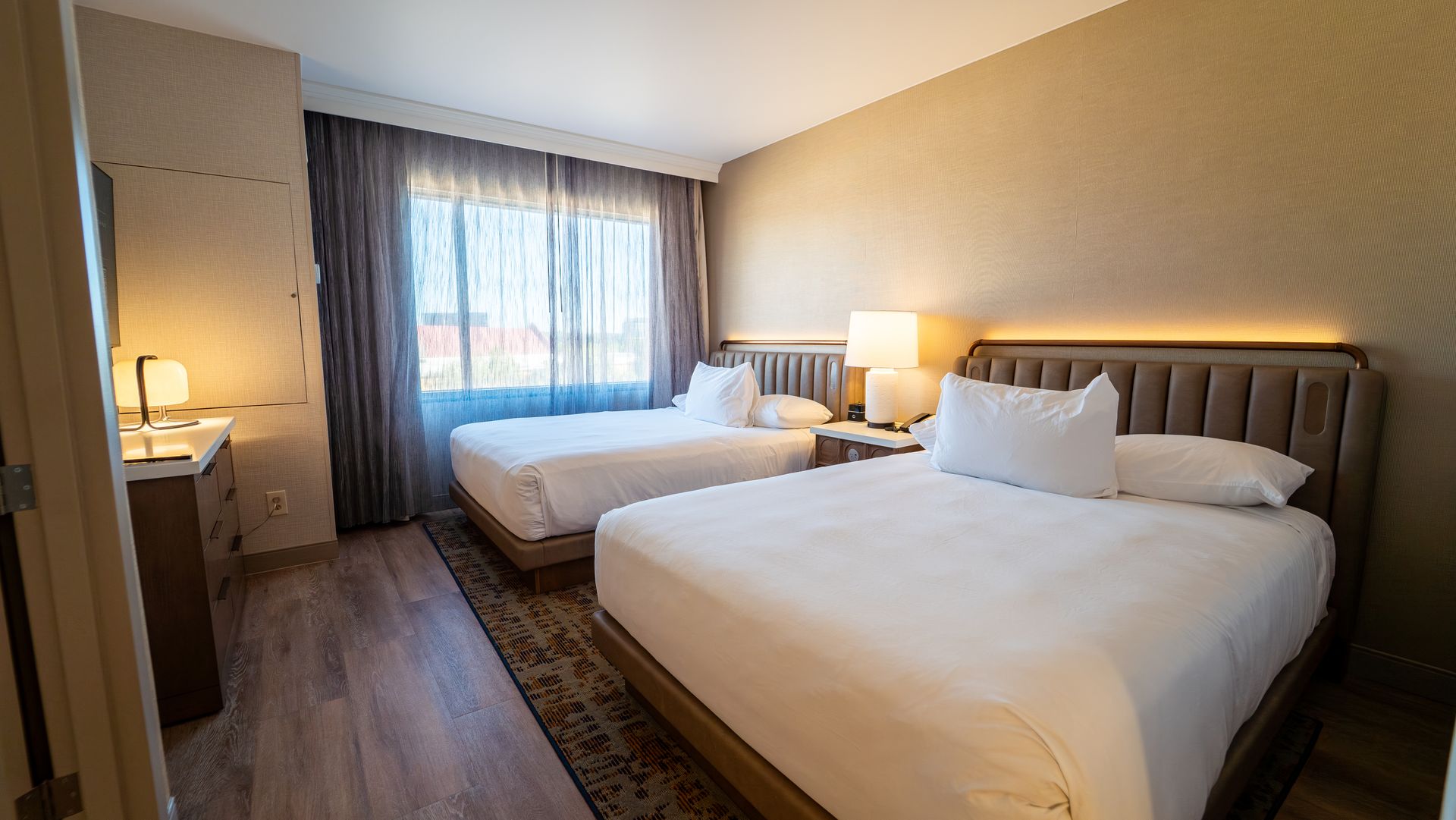
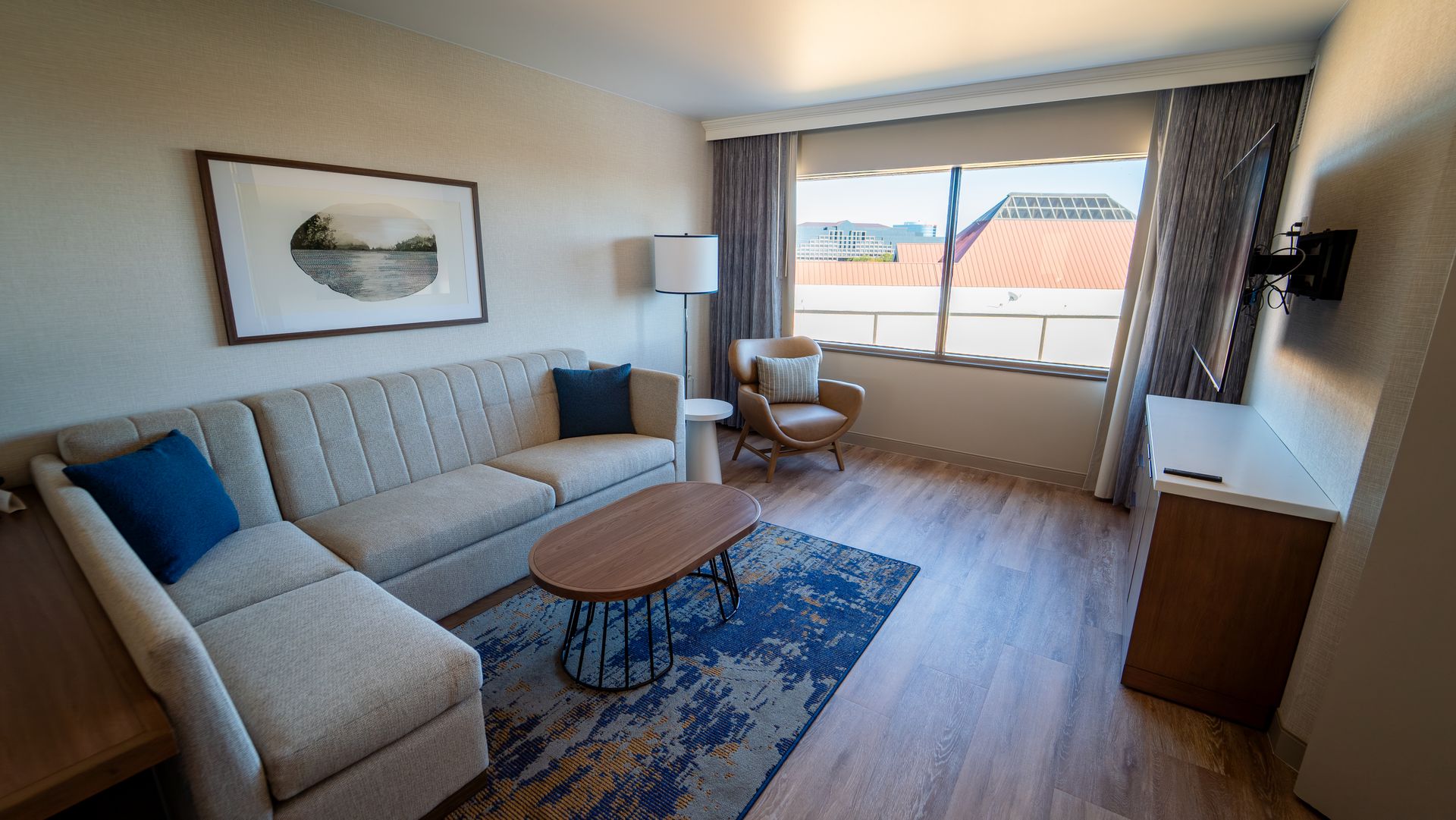
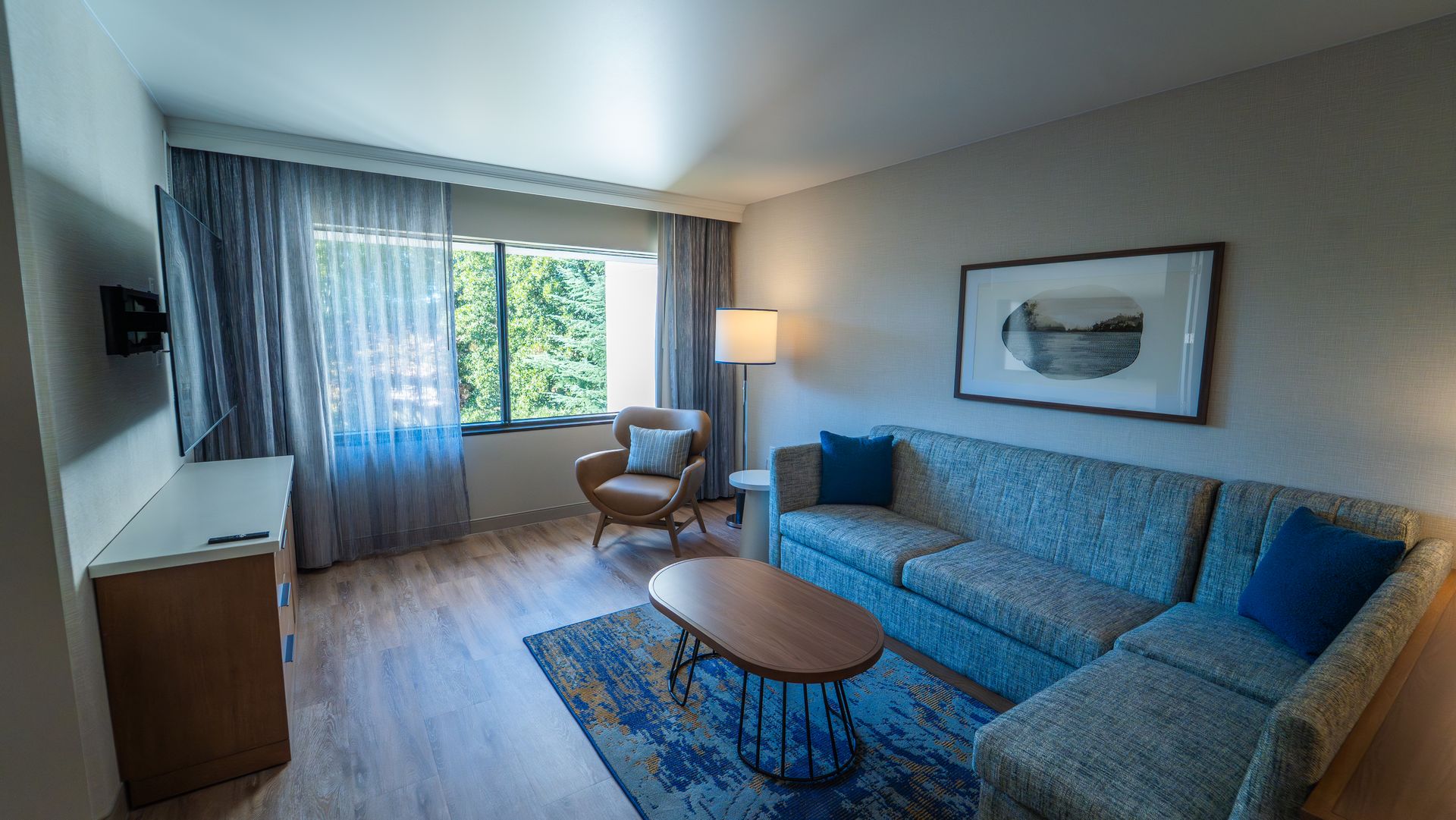
:quality(85))
The wellness tourism market is booming, with travelers increasingly seeking accommodations that support their physical, mental, and emotional well-being. In 2025, wellness-focused hotel design has become a cornerstone of successful renovation projects, creating spaces that not only accommodate guests but actively contribute to their health and happiness.
The Wellness Revolution in Hospitality
Wellness tourism is experiencing unprecedented growth:
Market Size: $919 billion globally in 2024, expected to reach $1.3 trillion by 2027
Guest Demand: 78% of travelers prioritize wellness when choosing accommodations
Revenue Impact: Wellness-focused hotels command 20-30% higher room rates
Guest Loyalty: 85% of wellness travelers return to properties that meet their needs
Core Wellness Design Principles
1. Biophilic Design Integration
Connecting guests with nature through design:
Natural Elements
Living Walls: Vertical gardens that purify air and reduce stress
Natural Materials: Wood, stone, bamboo, and organic textiles
Water Features: Indoor fountains, aquariums, and water walls
Natural Light: Maximizing daylight exposure and circadian rhythm support
Color Psychology
Calming Blues: Reduce stress and promote relaxation
Earthy Greens: Connect with nature and improve focus
Warm Neutrals: Create comfort and reduce anxiety
Accent Colors: Strategic use of energizing or calming tones
2. Air Quality and Environmental Health
Creating healthy indoor environments:
Air Purification Systems
HEPA Filtration: Remove 99.97% of airborne particles
UV-C Technology: Eliminate bacteria and viruses
Ionization: Neutralize harmful particles and odors
Natural Ventilation: Fresh air circulation throughout the property
Non-Toxic Materials
Low-VOC Products: Reduce harmful chemical emissions
Natural Finishes: Organic paints, stains, and sealants
Sustainable Fabrics: Organic cotton, bamboo, and hemp textiles
Eco-Friendly Furniture: Sustainable wood and natural upholstery
3. Acoustic Design
Creating peaceful, sound-optimized spaces:
Sound Absorption
Acoustic Panels: Strategic placement for noise reduction
Soft Furnishings: Curtains, carpets, and upholstery that absorb sound
Room Layout: Intelligent design to minimize noise transmission
White Noise Systems: Masking unwanted sounds with natural audio
Quiet Zones
Designated Areas: Spaces specifically for relaxation and meditation
Soundproofing: Enhanced insulation for peaceful environments
Technology Controls: Guest-controlled audio environments
Outdoor Spaces: Tranquil gardens and meditation areas
Wellness-Focused Room Design
Sleep Optimization
Creating the perfect environment for restful sleep:
Lighting Systems
Circadian Lighting: Mimic natural light patterns throughout the day
Blue Light Reduction: Warm evening lighting to support melatonin production
Blackout Options: Complete darkness for optimal sleep
Gentle Wake-Up: Gradual light increase to simulate sunrise
Sleep Technology
Smart Mattresses: Temperature regulation and sleep tracking
Climate Control: Optimal temperature and humidity for sleep
Noise Masking: White noise and nature sounds
Sleep Analytics: Personalized recommendations based on sleep patterns
Bathroom Wellness
Transforming bathrooms into wellness sanctuaries:
Spa-Inspired Features
Rain Showers: Multiple shower heads for therapeutic experience
Steam Rooms: Built-in steam functionality for relaxation
Heated Floors: Comfort and luxury underfoot
Aromatherapy: Essential oil diffusers and scented products
Wellness Technology
Smart Mirrors: Health monitoring and personalized recommendations
Chromotherapy: Color therapy lighting for mood enhancement
Sound Systems: Calming music and guided meditation
Temperature Control: Perfect water temperature for comfort
Public Space Wellness Design
Lobby and Common Areas
Creating welcoming, health-promoting spaces:
Relaxation Zones
Comfortable Seating: Ergonomic furniture for relaxation
Natural Elements: Plants, water features, and natural materials
Quiet Corners: Designated areas for meditation and reflection
Wellness Library: Books and resources on health and wellness
Social Wellness
Community Spaces: Areas that encourage positive social interaction
Flexible Layouts: Spaces that adapt to different group sizes
Technology Integration: Digital wellness resources and guidance
Cultural Elements: Art and design that promote well-being
Fitness and Wellness Facilities
Comprehensive wellness infrastructure:
Fitness Centers
Modern Equipment: Latest cardio and strength training machines
Personal Training: Dedicated spaces for one-on-one sessions
Group Classes: Studios for yoga, Pilates, and fitness classes
Outdoor Fitness: Equipment and spaces for outdoor workouts
Wellness Studios
Yoga Rooms: Dedicated spaces with proper flooring and equipment
Meditation Areas: Quiet spaces for mindfulness practice
Spa Facilities: Treatment rooms and relaxation areas
Recovery Zones: Areas for post-workout recovery and stretching
Technology and Wellness Integration
Smart Wellness Systems
Leveraging technology for enhanced well-being:
Health Monitoring
Wearable Integration: Connect with guest fitness trackers
Sleep Tracking: Monitor and optimize sleep quality
Activity Monitoring: Track movement and exercise patterns
Vital Signs: Basic health monitoring in wellness rooms
Personalized Experiences
AI Recommendations: Personalized wellness suggestions
Digital Concierge: Wellness-focused service recommendations
Virtual Classes: On-demand fitness and wellness content
Progress Tracking: Monitor guest wellness goals and achievements
Case Study: Wellness Hotel Transformation
A boutique hotel in Sedona, Arizona, recently completed a comprehensive wellness-focused renovation:
Before Renovation:
Standard hotel rooms with basic amenities
Small fitness center with limited equipment
No dedicated wellness spaces
Basic spa services
After Renovation:
Wellness-focused rooms with biophilic design
Comprehensive fitness and wellness center
Dedicated meditation and yoga spaces
Full-service spa with holistic treatments
Results:
Guest Satisfaction: Increased from 7.5 to 9.4/10
Average Daily Rate: Increased by 45%
Length of Stay: Increased by 2.3 nights on average
Repeat Bookings: 78% of guests returned within 12 months
Implementation Strategy
Phase 1: Assessment and Planning (2-3 months)
Wellness Audit: Evaluate current wellness offerings and opportunities
Guest Research: Understand target market wellness preferences
Design Development: Create wellness-focused design concepts
Budget Planning: Allocate resources for wellness features
Phase 2: Infrastructure Development (4-6 months)
Air Quality Systems: Install advanced filtration and purification
Lighting Systems: Implement circadian and wellness lighting
Acoustic Design: Enhance sound management throughout the property
Technology Integration: Deploy smart wellness systems
Phase 3: Interior Renovation (3-4 months)
Wellness Rooms: Transform guest rooms with biophilic design
Public Spaces: Create wellness-focused common areas
Fitness Facilities: Build comprehensive wellness centers
Spa Integration: Develop holistic wellness services
Cost Considerations
Investment Breakdown
Wellness Systems: $50,000 - $150,000
Biophilic Design: $25,000 - $75,000
Technology Integration: $30,000 - $80,000
Fitness Equipment: $40,000 - $100,000
Return on Investment
Revenue Increase: 20-45% higher room rates
Occupancy Growth: 15-25% increase in bookings
Guest Loyalty: 60-80% repeat booking rate
Operational Efficiency: 10-20% reduction in maintenance costs
Wellness Certification and Standards
Industry Certifications
WELL Building Standard: Comprehensive wellness building certification
Fitwel: Evidence-based health and wellness building certification
Green Key: Eco-label with wellness components
LEED for Hospitality: Sustainable design with wellness focus
Wellness Programs
Wellness Tourism Association: Industry standards and best practices
Global Wellness Institute: Research and education resources
Wellness Real Estate: Specialized wellness property development
Wellness Technology: Innovation in wellness-focused technology
Future Trends
2025-2030 Predictions
Personalized Wellness: AI-driven personalized wellness experiences
Virtual Reality: Immersive wellness and meditation experiences
Biometric Integration: Real-time health monitoring and optimization
Holistic Wellness: Comprehensive mind-body-spirit wellness programs
Guest Expectations
Seamless Integration: Wellness features that work effortlessly
Personalization: Tailored wellness experiences for individual needs
Technology: Smart wellness systems and digital integration
Authenticity: Genuine wellness experiences, not just marketing
Best Practices for Implementation
1. Start with Guest Research
Understand your target market's wellness needs
Survey existing guests about wellness preferences
Research competitor wellness offerings
Identify unique wellness opportunities
2. Focus on Authenticity
Create genuine wellness experiences
Train staff in wellness principles
Develop authentic wellness programming
Avoid wellness washing or superficial implementation
3. Measure and Optimize
Track wellness-related guest satisfaction
Monitor wellness program participation
Measure revenue impact of wellness features
Continuously improve based on guest feedback
4. Build a Wellness Culture
Train staff in wellness principles
Create wellness-focused service standards
Develop wellness programming and events
Foster a culture of health and well-being
Conclusion
Wellness-focused hotel design is not just a trend—it's a fundamental shift in how hotels serve their guests. By creating spaces that actively support health and well-being, hotels can differentiate themselves in a competitive market while providing genuine value to guests.
The investment in wellness-focused design pays dividends through increased guest satisfaction, higher room rates, and enhanced brand reputation. Hotels that embrace wellness principles today will be the industry leaders of tomorrow.
Ready to transform your hotel with wellness-focused design? Contact our experts for a comprehensive wellness assessment and renovation plan.