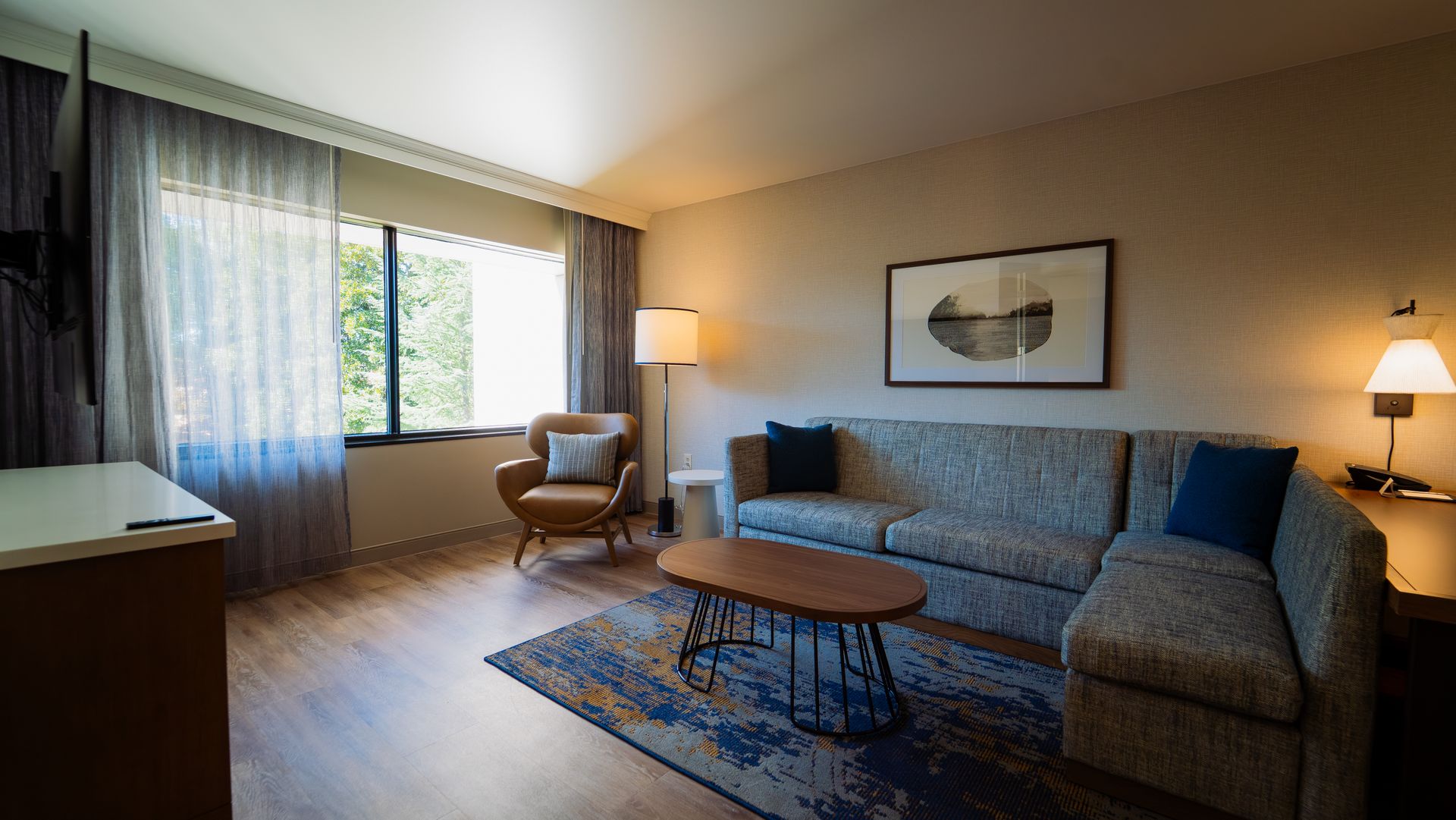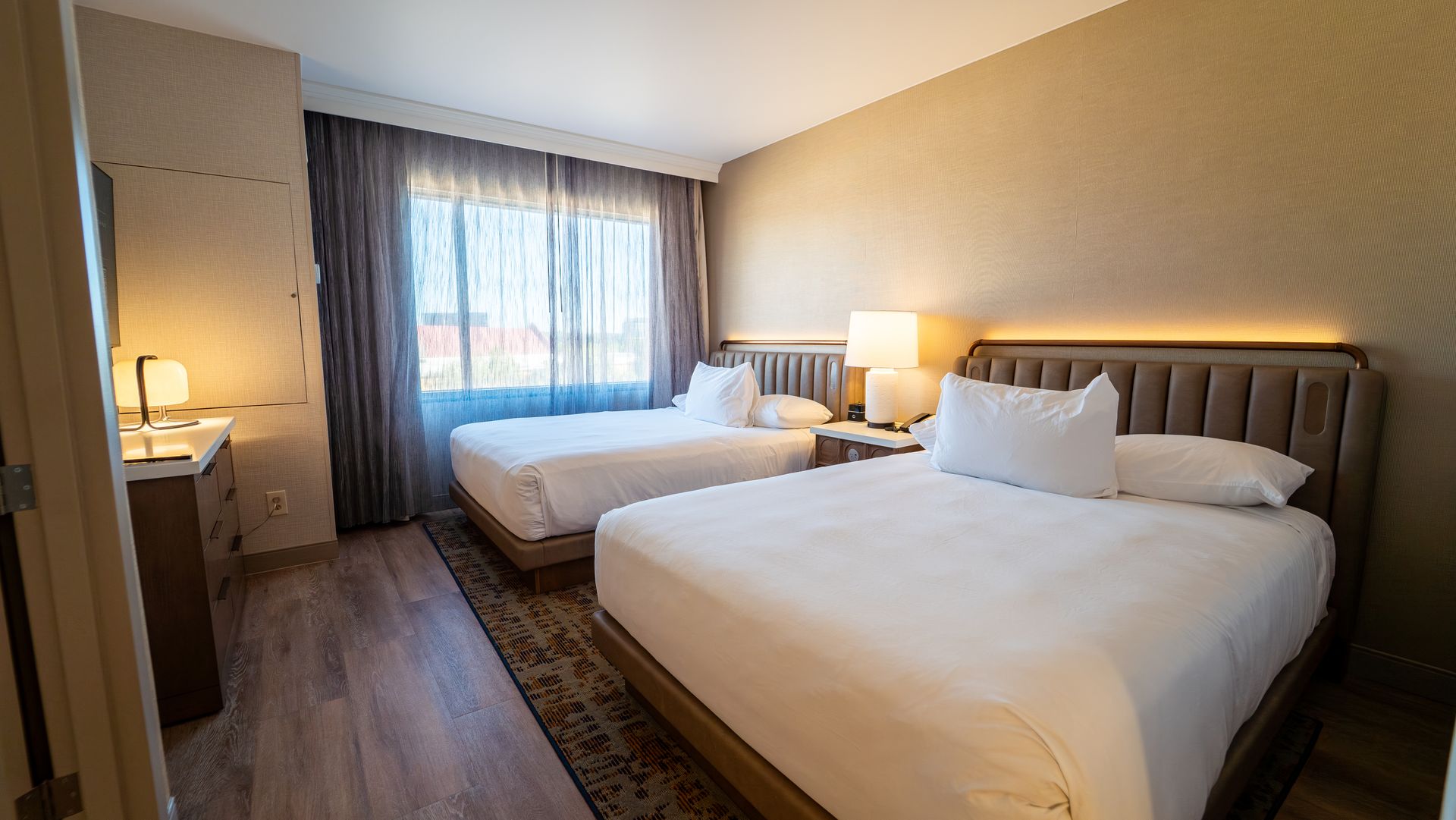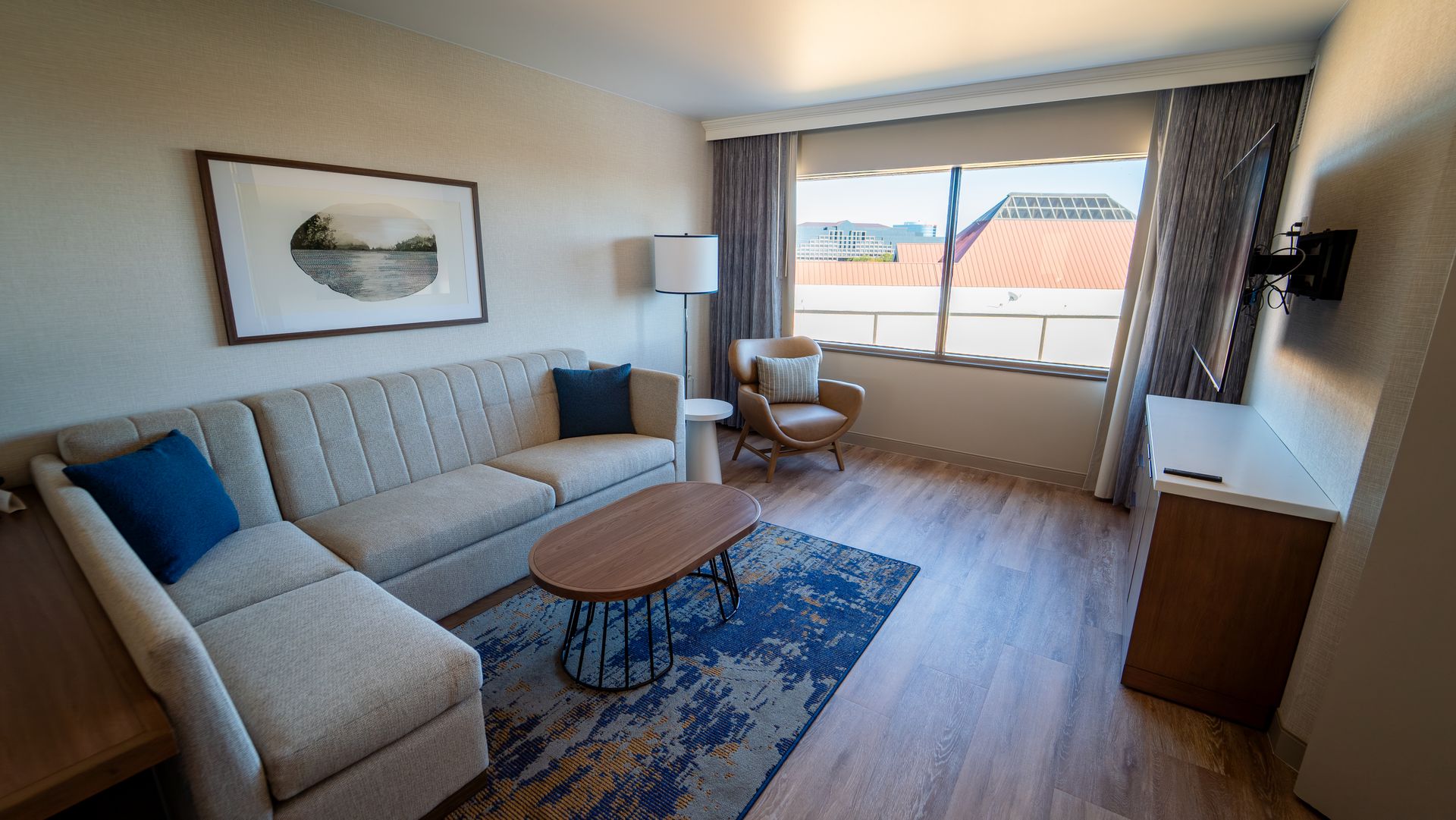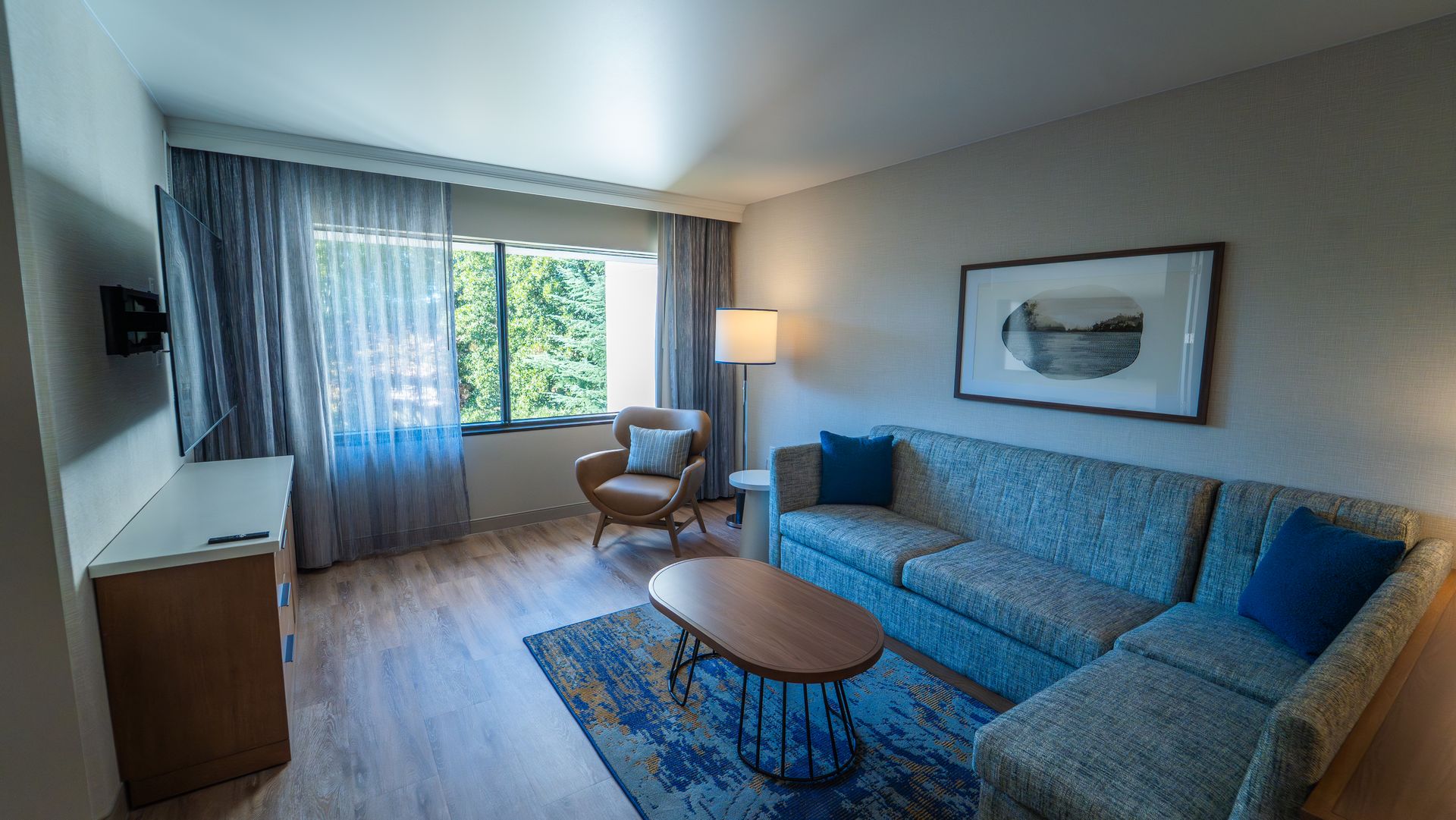
Carpet is not “wrong”—but brand standards and guest perception have shifted hard toward cleanable surfaces in guestrooms, corridors, and public zones. Owners who treat flooring as a cosmetic swap miss the acoustics, transitions, and maintenance story that decide whether the new floor survives the next QA walk.
Why PIPs push hard surface
Cleanliness perception (especially post-pandemic habits that never fully reversed)
Faster turn-down maintenance versus shampoo cycles
Better photography for brand and OTA channels
Alignment with prototype packages that already specify LVT / engineered looks
What still goes wrong
Hard surface fails brand and guest reviews when:
Transitions trip ADA or look unfinished at bathroom thresholds
Underlayment and acoustics are ignored—rooms get “clicky” and noisy
Pattern and color drift from brand-approved ranges
Install happens over uneven substrates after partial demo
Specify the system: wear layer, acoustic underlayment, transitions, and base—not just the plank SKU.
Where carpet can still earn its keep
Some soft brands and upper-midscale public lounges still use carpet strategically for warmth and sound. The decision should be brand-appendix driven, not nostalgia. If your PIP says hard surface in guestrooms, arguing for carpet usually costs more in negotiation capital than it saves.
Flooring often rides alongside bathroom and corridor packages—see how multi-trade guestroom renovations came together on Courtyard by Marriott Tucker and Fairfield Inn & Suites Winston-Salem.
Phasing tip
Replace flooring on vacant floors after wet bathroom work is cured and before final FF&E set. Protect new floors ruthlessly during remaining punch; the fastest way to fail QA is beautiful LVT with construction scratches.
Planning a carpet-out PIP? Share brand flooring exhibits and we will pressure-test install sequencing against your out-of-order plan.