:quality(85))
Resort hotels represent the pinnacle of destination hospitality, offering guests comprehensive experiences that extend far beyond traditional accommodations. In 2025, resort renovation projects are focusing on creating immersive, multi-faceted experiences that transform properties into true destinations where guests can escape, explore, and create lasting memories.
The Resort Market Evolution
The US resort market is experiencing significant transformation:
Market Growth: 18% annual growth rate in resort renovations
Guest Expectations: 82% of resort guests seek unique, immersive experiences
Revenue Diversification: Resorts generate 60-70% of revenue from non-room sources
Investment Scale: Average resort renovation budget: $2-5 million per property
Defining Modern Resort Experiences
What Makes a Resort a Destination
Modern resorts are distinguished by their comprehensive offerings:
Comprehensive Amenities
Multiple Dining Options: From casual to fine dining experiences
Recreation Facilities: Pools, golf courses, tennis courts, and fitness centers
Spa and Wellness: Comprehensive wellness and relaxation services
Entertainment: Live music, shows, and cultural programming
Immersive Experiences
Local Culture Integration: Authentic connections to the destination
Adventure Activities: Guided tours, outdoor adventures, and excursions
Educational Programs: Cooking classes, art workshops, and cultural experiences
Family Programming: Activities and facilities for guests of all ages
Key Resort Renovation Trends
1. Experience-Driven Design
Creating spaces that facilitate memorable experiences:
Activity-Based Spaces
Adventure Centers: Dedicated spaces for planning and organizing activities
Learning Studios: Spaces for workshops, classes, and educational experiences
Social Hubs: Areas designed for guest interaction and community building
Outdoor Living: Expanded outdoor spaces for dining, relaxation, and activities
Technology Integration
Experience Apps: Mobile applications that enhance guest experiences
Virtual Reality: Immersive previews of activities and destinations
Smart Rooms: Technology that enhances comfort and convenience
Social Media Integration: Spaces designed for sharing and engagement
2. Wellness and Well-being Focus
Comprehensive wellness experiences that go beyond traditional spa services:
Wellness Infrastructure
Fitness Centers: State-of-the-art equipment and personal training
Spa Facilities: Comprehensive treatment rooms and relaxation areas
Outdoor Wellness: Yoga pavilions, meditation gardens, and outdoor fitness
Nutrition Programs: Healthy dining options and nutritional guidance
Holistic Wellness
Mental Health: Stress reduction and mindfulness programs
Physical Wellness: Comprehensive fitness and movement programs
Nutritional Wellness: Healthy eating and nutritional education
Environmental Wellness: Connection to nature and outdoor experiences
3. Sustainability and Environmental Responsibility
Eco-conscious design that enhances the guest experience:
Environmental Integration
Natural Landscaping: Native plants and sustainable landscaping
Water Features: Natural pools, ponds, and water conservation
Wildlife Habitats: Creating spaces for local wildlife
Organic Gardens: On-site gardens for fresh, local produce
Sustainable Operations
Energy Efficiency: Solar panels, smart systems, and energy management
Water Conservation: Efficient fixtures and water recycling
Waste Reduction: Comprehensive recycling and composting programs
Local Sourcing: Supporting local businesses and reducing transportation
Case Study: Mountain Resort Transformation
The Alpine Valley Resort in Colorado recently completed a $12 million renovation:
Before Renovation:
Dated accommodations and facilities
Limited activity offerings
Basic dining options
Average daily rate: $280
After Renovation:
Modern, comfortable accommodations
Comprehensive activity program
Multiple dining venues
Average daily rate: $420
Key Improvements:
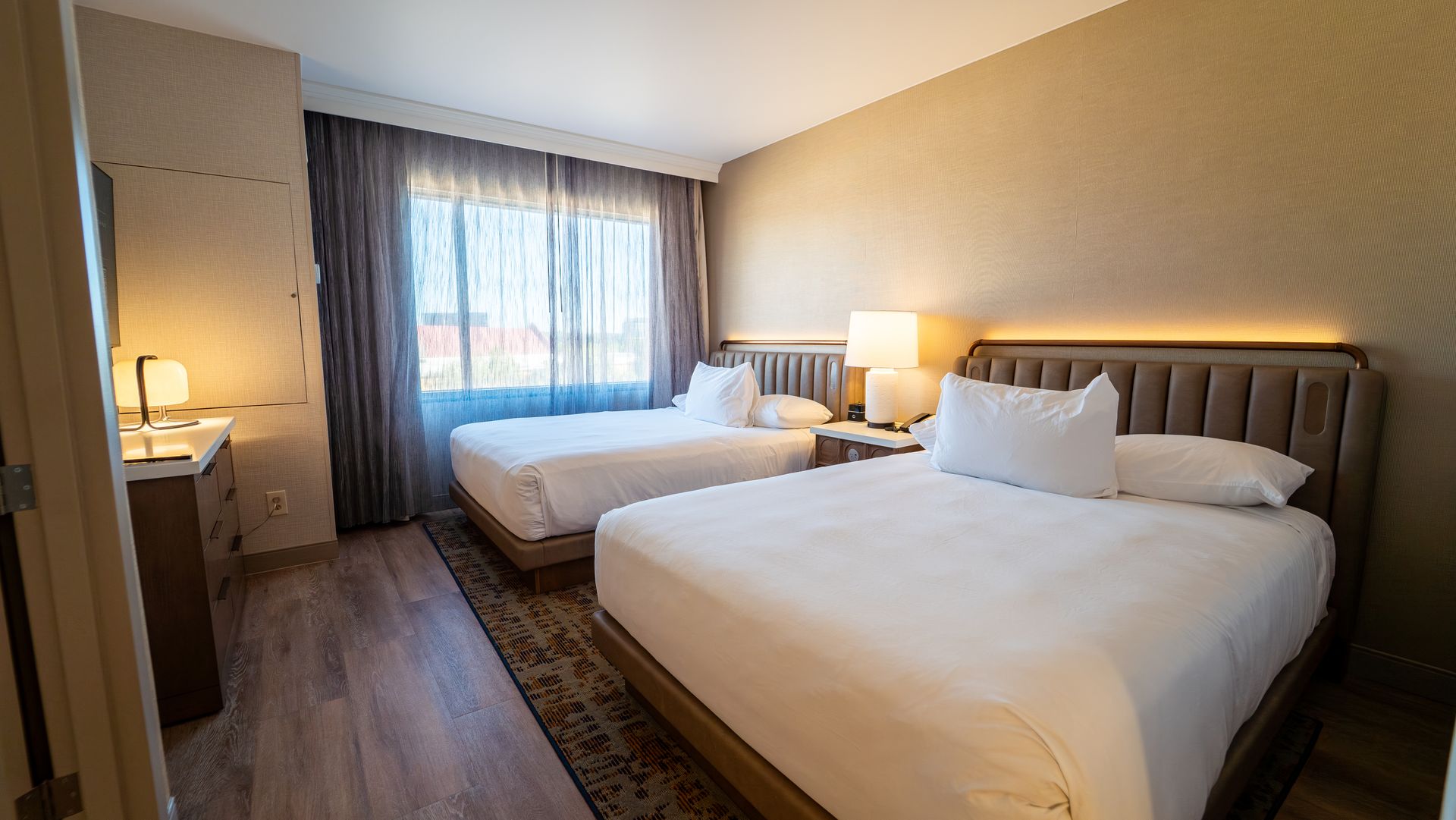
Guest Rooms: Updated 120 rooms with modern amenities and mountain views
Activity Center: New adventure center with guided tours and equipment rental
Dining: Added three new restaurants with local cuisine
Wellness: Comprehensive spa and fitness center
Resort Renovation Strategies
1. Destination Positioning
Creating unique market positioning:
Market Analysis
Competitive Landscape: Understanding local and regional competition
Target Audience: Identifying specific guest segments and preferences
Unique Selling Points: Developing distinctive features and experiences
Seasonal Programming: Creating year-round appeal and activities
Experience Development
Local Partnerships: Collaborating with local businesses and attractions
Cultural Integration: Incorporating local culture and traditions
Adventure Programming: Developing unique outdoor and adventure experiences
Educational Content: Creating learning opportunities for guests
2. Revenue Optimization
Maximizing revenue from all aspects of the resort:
Revenue Streams
Room Revenue: Optimizing room rates and occupancy
Food and Beverage: Multiple dining options and revenue opportunities
Activities and Experiences: Guided tours, classes, and adventure activities
Spa and Wellness: Comprehensive wellness services and treatments
Operational Efficiency
Staff Training: Comprehensive training for all service areas
Technology Integration: Systems that enhance efficiency and guest experience
Inventory Management: Optimizing supplies and equipment
Quality Control: Maintaining high standards across all areas
Investment and ROI Analysis
Cost Considerations
Design and Planning: $200,000 - $500,000
Construction and Materials: $1.5 - $4 million
Technology Integration: $300,000 - $800,000
Furnishings and Equipment: $500,000 - $1.5 million
Return on Investment
Revenue Increase: 30-50% higher room rates
Occupancy Growth: 20-35% increase in bookings
Ancillary Revenue: 40-60% increase in non-room revenue
Guest Loyalty: 75-85% repeat booking rate
Regional Resort Markets
Florida
Market Focus: Beach and golf resorts
Key Trends: Wellness integration and family programming
Investment Range: $1.5 - $4 million per property
Competitive Advantages: Climate, beaches, and year-round appeal
Colorado
Market Focus: Mountain and adventure resorts
Key Trends: Outdoor activities and wellness programming
Investment Range: $2 - $5 million per property
Competitive Advantages: Mountains, outdoor recreation, and natural beauty
California
Market Focus: Coastal and wine country resorts
Key Trends: Culinary experiences and wellness integration
Investment Range: $2 - $6 million per property
Competitive Advantages: Climate, culture, and diverse landscapes
Hawaii
Market Focus: Luxury beach resorts
Key Trends: Cultural integration and sustainability
Investment Range: $3 - $8 million per property
Competitive Advantages: Natural beauty, culture, and tropical climate
Implementation Strategy
Phase 1: Strategic Planning (4-6 months)
Market Research: Understanding target markets and competition
Experience Development: Creating unique experiences and programming
Design Development: Developing comprehensive design concepts
Financial Planning: Creating detailed budgets and ROI projections
Phase 2: Design and Engineering (6-8 months)
Architectural Design: Detailed design development for all areas
Engineering Systems: MEP, technology, and sustainability systems
Landscape Design: Comprehensive outdoor space planning
Permitting and Approvals: Navigating regulatory requirements
Phase 3: Construction and Installation (12-18 months)
Site Preparation: Preparing the site for construction
Building Construction: Constructing new facilities and renovating existing
Landscape Installation: Installing outdoor spaces and features
Systems Integration: Installing technology and operational systems
Future Trends
2025-2030 Predictions
Virtual Reality Integration: Immersive pre-stay and on-site experiences
AI-Powered Personalization: Intelligent recommendations and service
Sustainable Luxury: Eco-conscious luxury without compromise
Health and Safety Focus: Enhanced protocols and wellness monitoring
Guest Expectations
Comprehensive Experiences: Full-service experiences that exceed expectations
Personalization: Tailored experiences based on individual preferences
Sustainability: Environmental responsibility and local community support
Technology Integration: Seamless technology that enhances experiences
Conclusion
Resort hotel renovation in the USA represents an opportunity to create truly exceptional destination experiences that stand out in a competitive market. By focusing on comprehensive amenities, immersive experiences, and sustainable practices, resorts can create memorable stays that drive guest loyalty and revenue growth.
The key to success lies in understanding guest expectations, creating unique experiences, and maintaining high standards across all aspects of the resort. Properties that excel in these areas will be the leaders of the resort renaissance.
Ready to transform your resort into a premier destination? Contact our experts for a comprehensive resort renovation assessment and experience development plan.