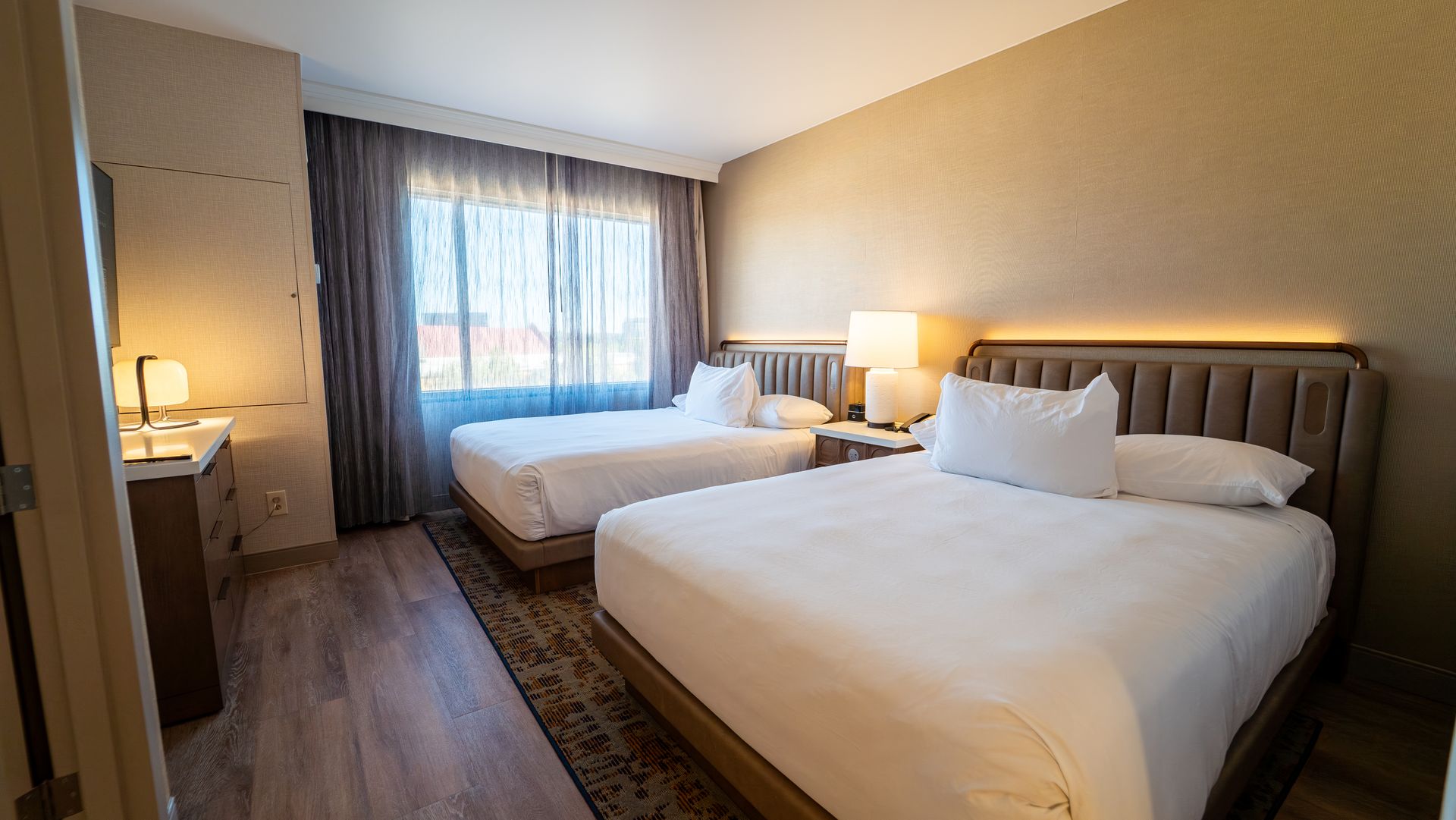
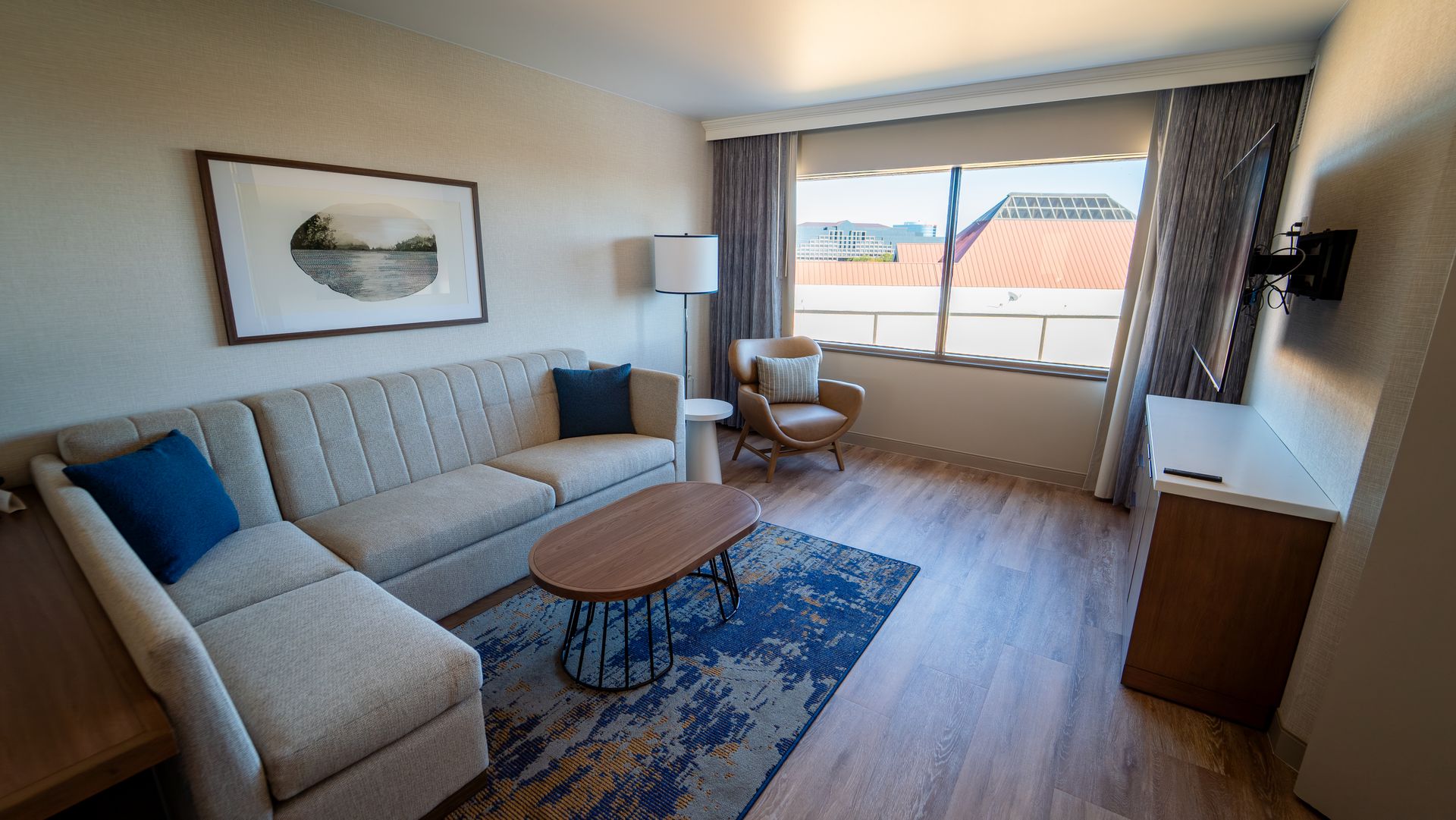
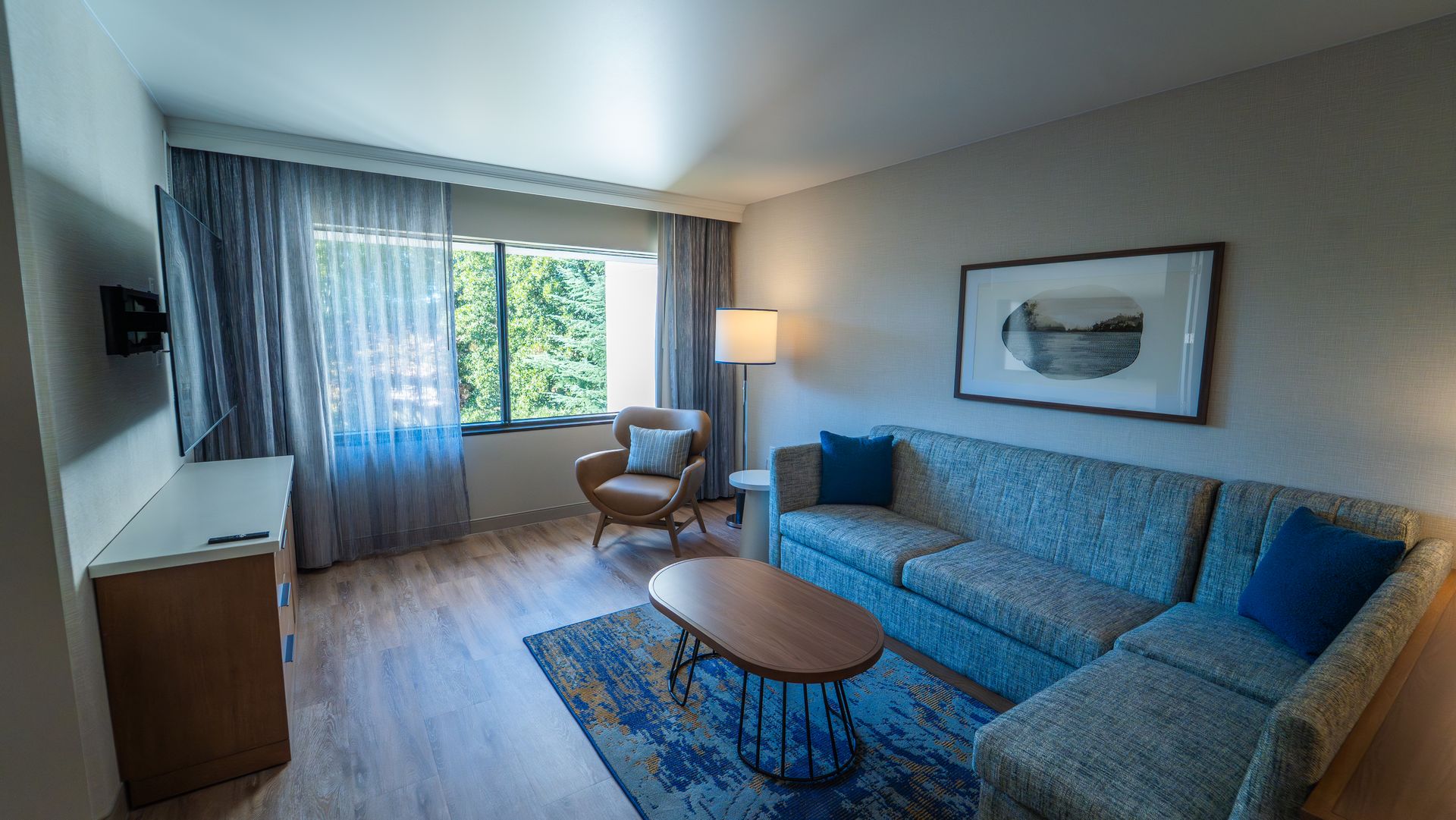
The luxury hotel market in the United States is experiencing unprecedented growth, with discerning travelers demanding exceptional experiences that blend timeless elegance with modern innovation. In 2025, luxury hotel renovation projects are setting new standards for excellence, creating spaces that exceed guest expectations and drive premium pricing.
The Luxury Hotel Market Landscape
The US luxury hotel sector is thriving:
Market Growth: 15% annual growth rate in luxury hotel renovations
Guest Expectations: 92% of luxury travelers prioritize unique, personalized experiences
Revenue Impact: Luxury renovations command 40-60% higher room rates
Investment Scale: Average luxury renovation budget: $500,000 - $2 million per room
Key Luxury Renovation Trends
1. Bespoke Design and Customization
Luxury hotels are moving away from cookie-cutter designs:
Personalized Experiences
Signature Suites: Unique, one-of-a-kind accommodations
Custom Artwork: Commissioned pieces from local and international artists
Handcrafted Elements: Custom furniture, lighting, and decorative items
Brand Storytelling: Design that reflects the hotel's unique history and character
Architectural Excellence
Historic Preservation: Restoring and enhancing historic properties
Modern Integration: Seamlessly blending contemporary elements with classic architecture
Spatial Innovation: Creating dramatic, memorable spaces
Material Mastery: Using the finest materials and finishes
2. Technology Integration
Luxury technology that enhances rather than overwhelms:
Smart Luxury
Discreet Technology: Hidden systems that work invisibly
Personalized Controls: Guest preferences remembered across stays
High-Tech Amenities: Advanced entertainment and connectivity systems
Service Automation: Seamless, anticipatory service delivery
Digital Concierge
AI-Powered Services: Intelligent recommendations and assistance
Mobile Integration: Comprehensive hotel control via smartphone
Virtual Reality: Immersive property exploration and booking
Social Media Integration: Seamless sharing and engagement
3. Wellness and Well-being
Luxury wellness experiences that go beyond the standard:
Spa and Wellness Centers
Holistic Treatments: Comprehensive wellness programs
Expert Practitioners: World-class therapists and wellness professionals
Custom Programs: Personalized wellness journeys
Advanced Equipment: Latest wellness technology and equipment
Fitness and Recreation
Personal Training: Dedicated fitness professionals
Specialized Studios: Yoga, Pilates, and specialty fitness spaces
Outdoor Activities: Curated outdoor experiences and adventures
Recovery Facilities: Advanced recovery and regeneration spaces
Case Study: Iconic Luxury Hotel Transformation
The historic Plaza Hotel in New York City recently completed a $450 million renovation:
Before Renovation:
Dated interiors from the 1980s
Limited technology integration
Standard luxury amenities
Average daily rate: $800
After Renovation:
Completely redesigned interiors by world-renowned designers
State-of-the-art technology throughout
Exclusive luxury amenities and services
Average daily rate: $1,200
Key Improvements:
Guest Rooms: Reduced from 282 to 181 larger, more luxurious rooms
Technology: Integrated smart systems and high-speed connectivity
Amenities: Added exclusive spa, fitness center, and dining venues
Service: Enhanced personalized service and concierge offerings
Luxury Renovation Best Practices
1. Design Excellence
Creating spaces that inspire and delight:
Interior Design
Color Psychology: Strategic use of color to create desired moods
Texture and Materials: Layering of premium materials and finishes
Lighting Design: Dramatic, functional, and mood-enhancing lighting
Furniture Selection: Custom and designer pieces that complement the space
Architectural Details
Custom Millwork: Handcrafted architectural elements
Premium Finishes: Marble, granite, and exotic woods
Art Integration: Curated art collections and installations
Spatial Planning: Thoughtful layout that maximizes guest comfort
2. Service Integration
Designing spaces that enhance service delivery:
Staff Workflow
Service Corridors: Efficient staff movement without guest disruption
Technology Integration: Systems that support seamless service
Storage Solutions: Adequate space for supplies and equipment
Communication Systems: Clear communication between staff and guests
Guest Experience
Intuitive Navigation: Easy wayfinding throughout the property
Comfort Zones: Spaces designed for relaxation and social interaction
Privacy Considerations: Thoughtful design that respects guest privacy
Accessibility: Inclusive design for all guests
Investment and ROI Analysis
Cost Breakdown
Design and Planning: 8-12% of total project cost
Construction and Materials: 60-70% of total project cost
Technology Integration: 10-15% of total project cost
Furnishings and Décor: 8-12% of total project cost
Return on Investment
Revenue Increase: 40-60% higher room rates
Occupancy Growth: 15-25% increase in bookings
Guest Loyalty: 70-85% repeat booking rate
Brand Value: Enhanced reputation and market positioning
Regional Luxury Markets
New York City
Market Focus: Ultra-luxury and boutique properties
Key Trends: Historic preservation and modern luxury integration
Investment Range: $1-3 million per room
Competitive Advantages: Location, history, and cultural significance
Los Angeles
Market Focus: Celebrity and entertainment industry
Key Trends: Privacy, technology, and wellness integration
Investment Range: $800,000-2 million per room
Competitive Advantages: Weather, lifestyle, and entertainment access
Miami
Market Focus: International luxury travelers
Key Trends: Beachfront luxury and tropical design
Investment Range: $600,000-1.5 million per room
Competitive Advantages: Climate, beaches, and international accessibility
Chicago
Market Focus: Business and leisure luxury
Key Trends: Architectural excellence and cultural integration
Investment Range: $500,000-1.2 million per room
Competitive Advantages: Architecture, culture, and business hub status
Future Trends
2025-2030 Predictions
Hyper-Personalization: AI-driven personalized experiences
Sustainable Luxury: Eco-conscious luxury without compromise
Virtual Reality: Immersive pre-stay experiences
Biometric Integration: Seamless, secure guest identification
Guest Expectations
Authentic Experiences: Genuine, memorable interactions
Technology Seamlessness: Invisible technology that enhances experience
Sustainability: Environmental responsibility without sacrificing luxury
Personalization: Tailored experiences based on individual preferences
Implementation Strategy
Phase 1: Strategic Planning (3-4 months)
Market Research: Understanding target luxury market segments
Competitive Analysis: Benchmarking against luxury competitors
Design Development: Creating unique, differentiated concepts
Budget Planning: Comprehensive financial planning and modeling
Phase 2: Design and Engineering (4-6 months)
Architectural Design: Detailed design development
Engineering Systems: MEP, technology, and sustainability systems
Material Selection: Sourcing premium materials and finishes
Permitting and Approvals: Navigating regulatory requirements
Phase 3: Construction and Installation (8-12 months)
Construction Management: Overseeing quality and timeline
Material Installation: Installing premium finishes and systems
Technology Integration: Deploying smart systems and automation
Quality Assurance: Comprehensive testing and commissioning
Conclusion
Luxury hotel renovation in the USA represents the pinnacle of hospitality excellence, requiring meticulous attention to detail, innovative design, and exceptional execution. By embracing the latest trends and best practices, luxury hotels can create unforgettable experiences that command premium pricing and build lasting guest loyalty.
The investment in luxury renovation pays dividends through increased revenue, enhanced brand reputation, and competitive differentiation. Hotels that excel in luxury renovation today will be the industry leaders of tomorrow.
Ready to transform your hotel into a luxury destination? Contact our experts for a comprehensive luxury renovation assessment and design plan.