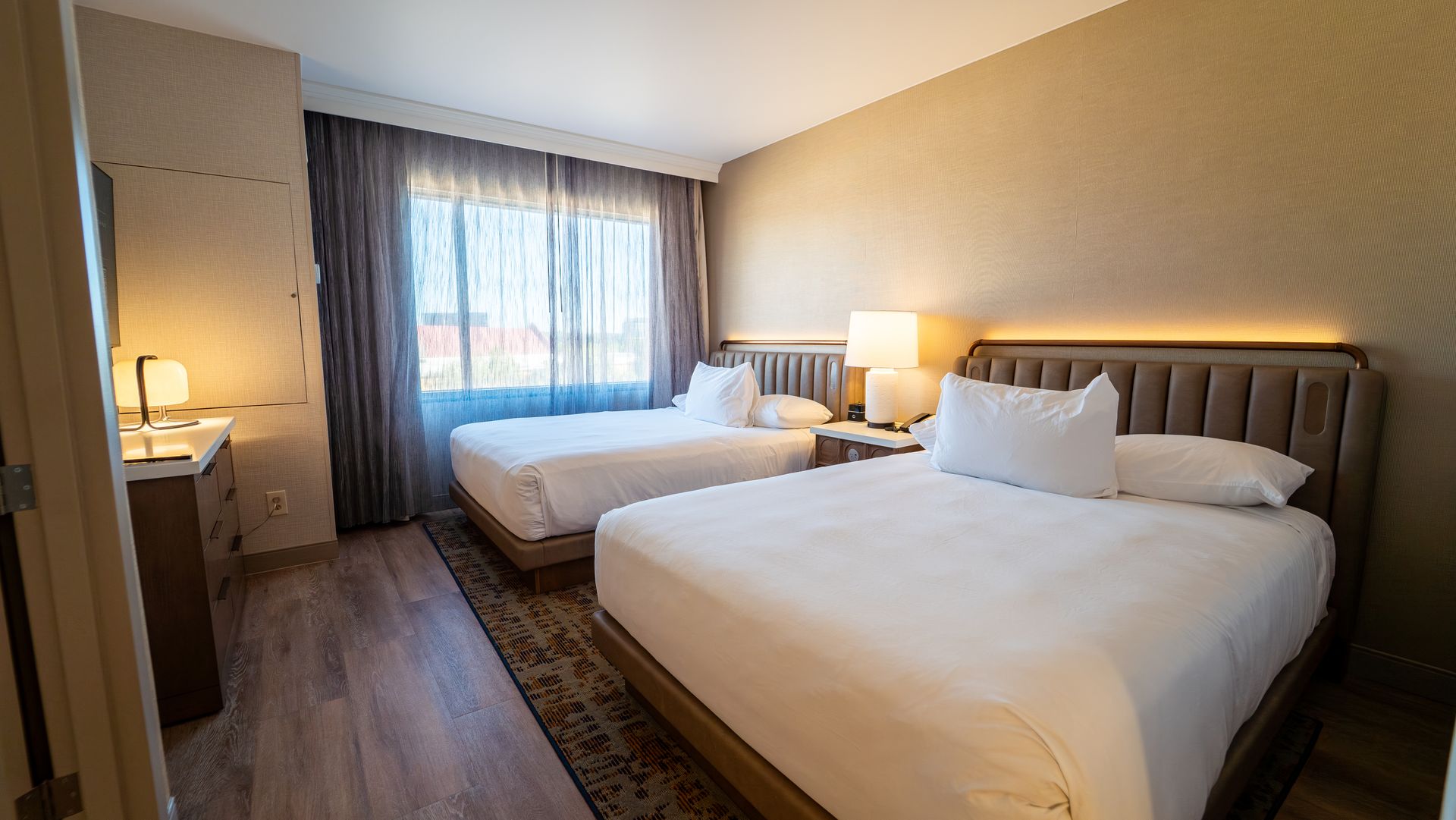
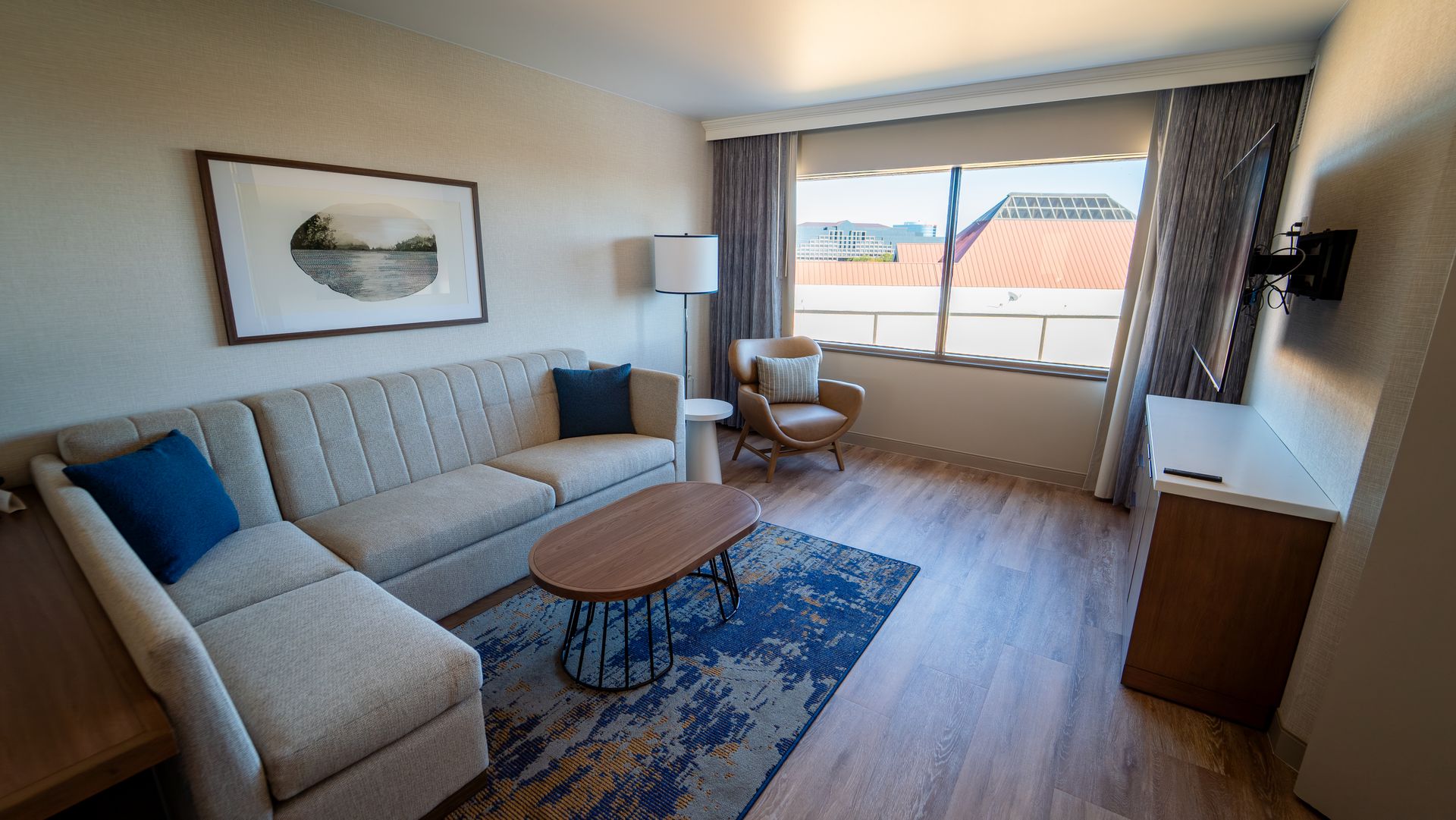
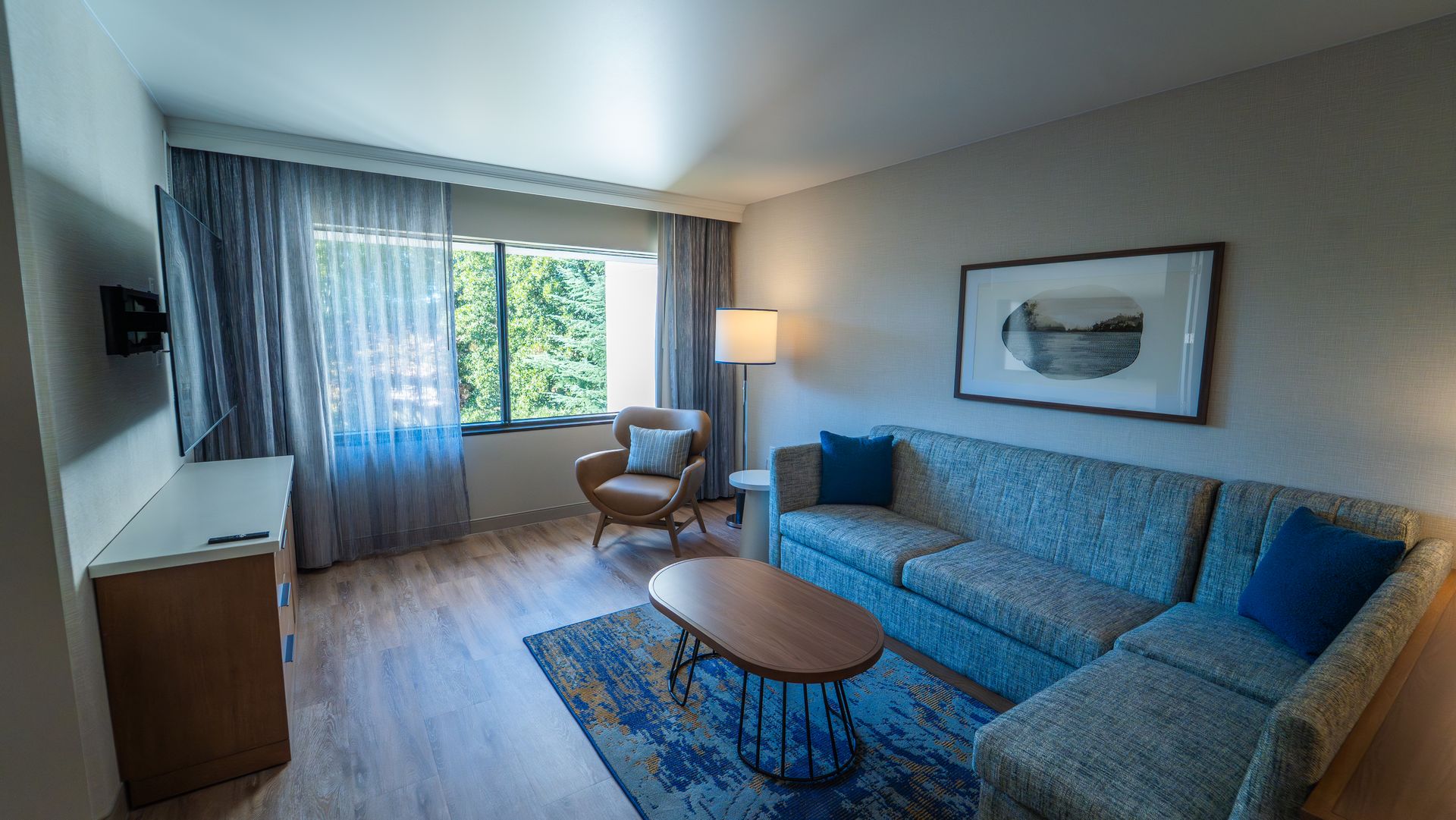
The business travel market is experiencing unprecedented transformation, with corporate travelers demanding more than just comfortable accommodations. In 2025, business hotel renovation projects are focusing on creating environments that support productivity, wellness, and work-life balance while providing the technology and amenities that modern professionals require.
The Business Travel Market Evolution
The corporate travel sector is undergoing significant changes:
Market Growth: 12% annual growth rate in business hotel renovations
Guest Expectations: 89% of business travelers prioritize productivity-enhancing amenities
Revenue Performance: Business hotels command 15-25% higher rates than leisure properties
Investment Activity: $1.8 billion invested in business hotel renovations in 2024
Modern Business Traveler Needs
1. Productivity and Connectivity
Business travelers require seamless work environments:
Technology Infrastructure
High-Speed Internet: Reliable, fast connectivity throughout the property
Smart Room Controls: Technology that enhances comfort and efficiency
Mobile Integration: Seamless connectivity with personal devices
Video Conferencing: Professional-quality meeting and presentation spaces
Workspace Design
Ergonomic Furniture: Comfortable, supportive seating and work surfaces
Flexible Layouts: Spaces that adapt to different work styles and needs
Natural Lighting: Abundant natural light to enhance productivity and well-being
Acoustic Design: Sound management for focused work and private conversations
2. Wellness and Work-Life Balance
Modern business travelers prioritize health and well-being:
Wellness Amenities
Fitness Centers: Comprehensive fitness facilities with modern equipment
Wellness Programs: Stress reduction and mindfulness offerings
Healthy Dining: Nutritious food options that support productivity
Recovery Spaces: Areas for relaxation and rejuvenation
Work-Life Integration
Flexible Spaces: Areas that serve both work and relaxation needs
Outdoor Access: Connection to nature and outdoor spaces
Social Areas: Spaces for networking and social interaction
Quiet Zones: Areas for focused work and privacy
Key Business Hotel Renovation Trends
1. Enhanced Workspace Integration
Creating environments that support productivity:
In-Room Workspaces
Dedicated Work Areas: Well-designed desks and work surfaces
Comfortable Seating: Ergonomic chairs and supportive furniture
Technology Integration: Built-in charging stations and connectivity
Storage Solutions: Adequate space for work materials and equipment
Public Workspaces
Business Centers: Professional work environments with printing and support services
Co-working Areas: Flexible spaces for collaboration and individual work
Meeting Rooms: Professional meeting and presentation facilities
Lounge Workspaces: Comfortable areas for casual work and networking
2. Technology and Connectivity
Advanced technology that enhances the business experience:
Smart Technology
Room Automation: Smart controls for lighting, temperature, and entertainment
Mobile Apps: Comprehensive hotel control and service access
Digital Concierge: AI-powered assistance and recommendations
Contactless Services: Touchless check-in, room access, and service delivery
Connectivity Solutions
Wi-Fi Optimization: High-speed, reliable internet throughout the property
Mobile Hotspots: Portable connectivity solutions for guests
Charging Stations: Multiple charging options for various devices
Tech Support: On-site technical assistance and support
3. Wellness and Recovery
Supporting the health and well-being of business travelers:
Fitness and Wellness
24/7 Fitness Centers: Accessible fitness facilities with modern equipment
Wellness Programs: Guided meditation, yoga, and stress reduction
Recovery Equipment: Massage chairs, stretching areas, and recovery tools
Outdoor Fitness: Outdoor workout areas and walking paths
Health-Conscious Dining
Healthy Menus: Nutritious options that support energy and focus
Dietary Accommodations: Options for various dietary preferences and restrictions
Grab-and-Go: Healthy, convenient food options for busy schedules
Nutritional Information: Clear information about nutritional content and ingredients
Case Study: Urban Business Hotel Transformation
The Downtown Business Center Hotel in Chicago recently completed a $8.5 million renovation:
Before Renovation:
Dated business center and meeting facilities
Limited workspace options
Basic fitness center
Average daily rate: $220
After Renovation:
Modern co-working spaces and business center
Comprehensive wellness facilities
Enhanced technology throughout
Average daily rate: $320
Key Improvements:
Business Center: Transformed into modern co-working space with private offices
Meeting Facilities: Updated conference rooms with latest technology
Fitness Center: Expanded wellness facilities with recovery equipment
Guest Rooms: Enhanced workspaces and technology integration
Business Hotel Renovation Strategies
1. Market Positioning
Understanding and serving specific business segments:
Corporate Travelers
Executive Suites: Premium accommodations for senior executives
Extended Stay Options: Comfortable accommodations for longer business trips
Meeting Facilities: Professional spaces for corporate meetings and events
Concierge Services: Personalized assistance for business needs
Small Business and Entrepreneurs
Flexible Workspaces: Adaptable areas for various work styles
Networking Opportunities: Spaces that facilitate connections and collaboration
Cost-Effective Options: Value-oriented accommodations and services
Technology Support: Assistance with technology and connectivity needs
2. Revenue Optimization
Maximizing revenue from business travelers:
Room Revenue
Dynamic Pricing: Flexible pricing based on demand and market conditions
Package Deals: Bundled services and amenities for business travelers
Loyalty Programs: Rewards and benefits for repeat business guests
Corporate Accounts: Special rates and services for corporate clients
Ancillary Revenue
Meeting and Event Space: Professional facilities for corporate events
Food and Beverage: Business dining and catering services
Wellness Services: Fitness classes, spa treatments, and wellness programs
Technology Services: Equipment rental, technical support, and connectivity
Investment and ROI Analysis
Cost Considerations
Design and Planning: $150,000 - $400,000
Construction and Materials: $1.2 - $3 million
Technology Integration: $250,000 - $600,000
Furnishings and Equipment: $400,000 - $1.2 million
Return on Investment
Revenue Increase: 15-25% higher room rates
Occupancy Growth: 10-20% increase in bookings
Corporate Business: 30-50% increase in corporate bookings
Guest Loyalty: 70-80% repeat booking rate
Regional Business Markets
New York City
Market Focus: Financial and corporate headquarters
Key Trends: Luxury business amenities and technology integration
Investment Range: $2 - $5 million per property
Competitive Advantages: Financial center and corporate headquarters
Chicago
Market Focus: Corporate headquarters and business services
Key Trends: Meeting facilities and business center integration
Investment Range: $1.5 - $4 million per property
Competitive Advantages: Central location and business hub status
Los Angeles
Market Focus: Entertainment and technology industries
Key Trends: Creative workspaces and wellness integration
Investment Range: $1.8 - $4.5 million per property
Competitive Advantages: Entertainment industry and creative culture
Washington, D.C.
Market Focus: Government and policy organizations
Key Trends: Security features and meeting facilities
Investment Range: $1.2 - $3.5 million per property
Competitive Advantages: Government center and policy influence
Implementation Strategy
Phase 1: Market Analysis (3-4 months)
Competitive Analysis: Understanding local business hotel market
Target Audience Research: Identifying specific business traveler segments
Technology Assessment: Evaluating current and future technology needs
Financial Planning: Creating detailed budgets and ROI projections
Phase 2: Design and Engineering (4-6 months)
Space Planning: Optimizing layouts for business traveler needs
Technology Design: Integrating advanced technology systems
Wellness Integration: Incorporating wellness and fitness facilities
Permitting and Approvals: Navigating regulatory requirements
Phase 3: Construction and Installation (8-12 months)
Infrastructure Upgrades: Updating building systems and technology
Space Renovation: Transforming guest rooms and public areas
Technology Installation: Deploying smart systems and connectivity
Quality Assurance: Testing and commissioning all systems
Future Trends
2025-2030 Predictions
AI-Powered Personalization: Intelligent recommendations and service
Virtual Reality Meetings: Immersive remote meeting experiences
Biometric Integration: Seamless, secure guest identification
Sustainable Business Travel: Eco-conscious business accommodations
Guest Expectations
Seamless Technology: Invisible technology that enhances productivity
Wellness Integration: Health and well-being support throughout the stay
Flexible Workspaces: Adaptable environments for various work styles
Sustainable Practices: Environmental responsibility in business travel
Conclusion
Business hotel renovation in the USA represents an opportunity to create environments that support the productivity, wellness, and success of modern corporate travelers. By focusing on technology integration, workspace design, and wellness amenities, business hotels can differentiate themselves and command premium pricing.
The key to success lies in understanding the evolving needs of business travelers, creating environments that support their work and well-being, and maintaining high standards of service and technology. Hotels that excel in these areas will be the preferred choice for corporate travelers.
Ready to transform your hotel into a premier business destination? Contact our experts for a comprehensive business hotel renovation assessment and design plan.