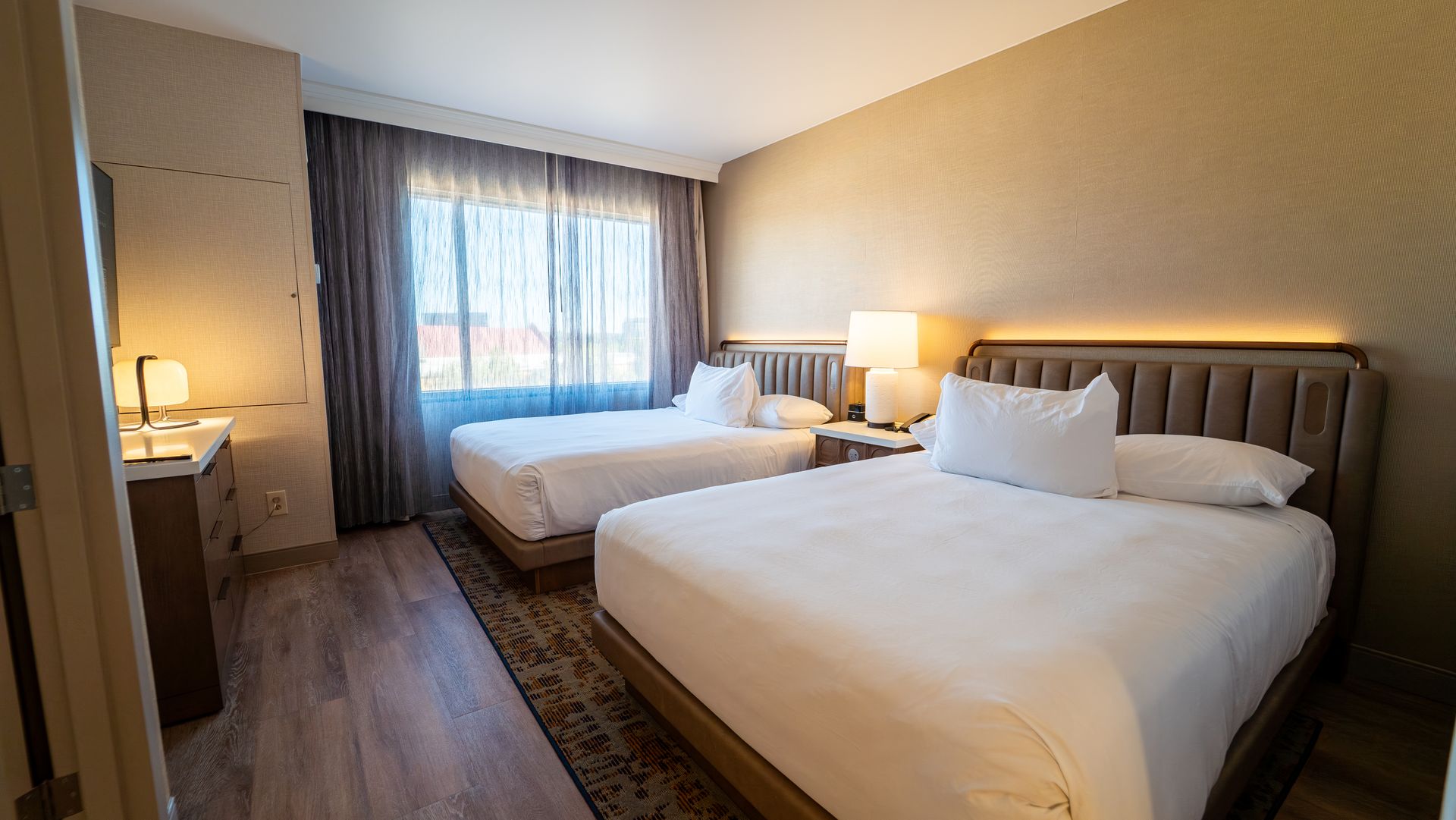
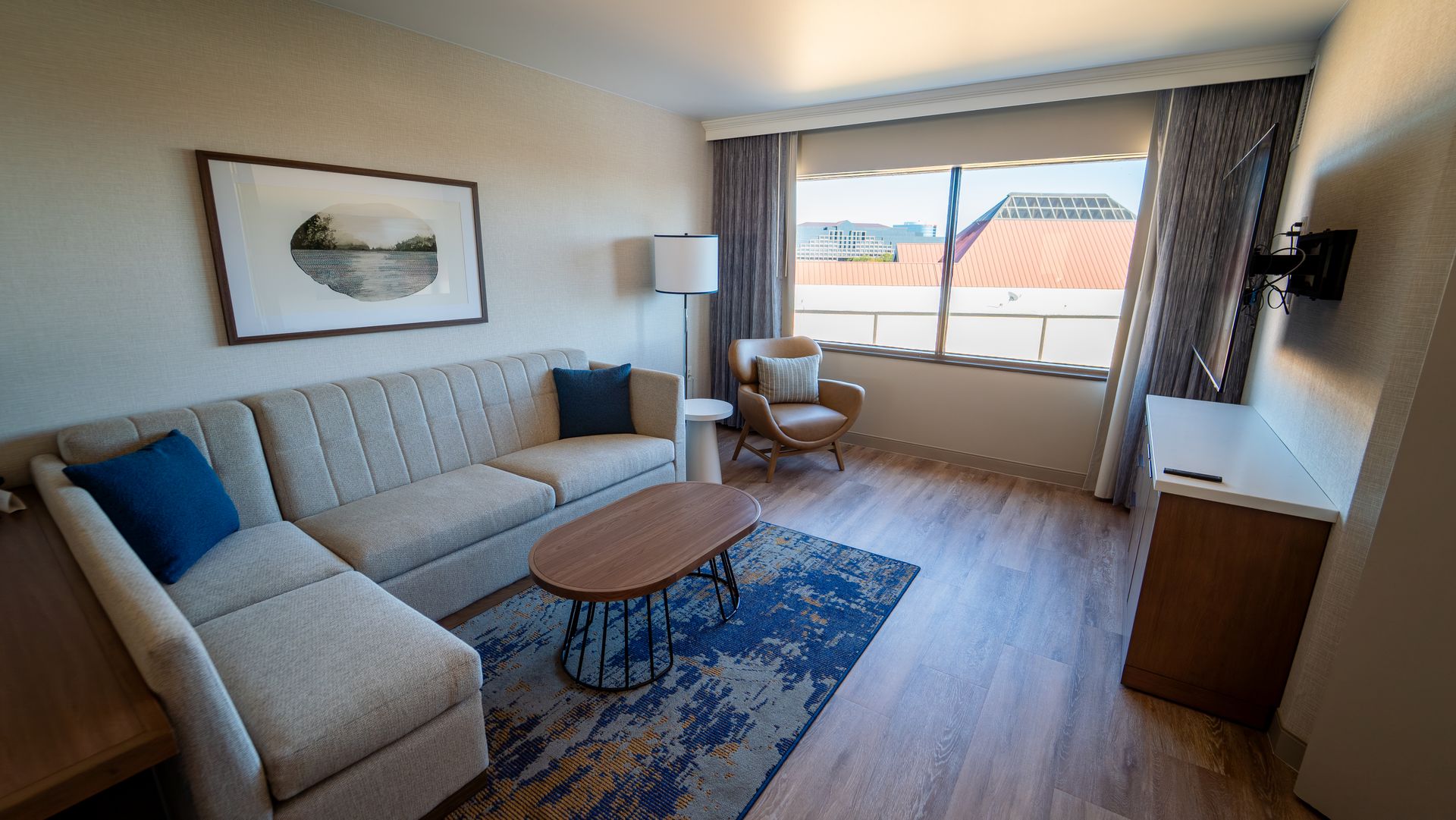
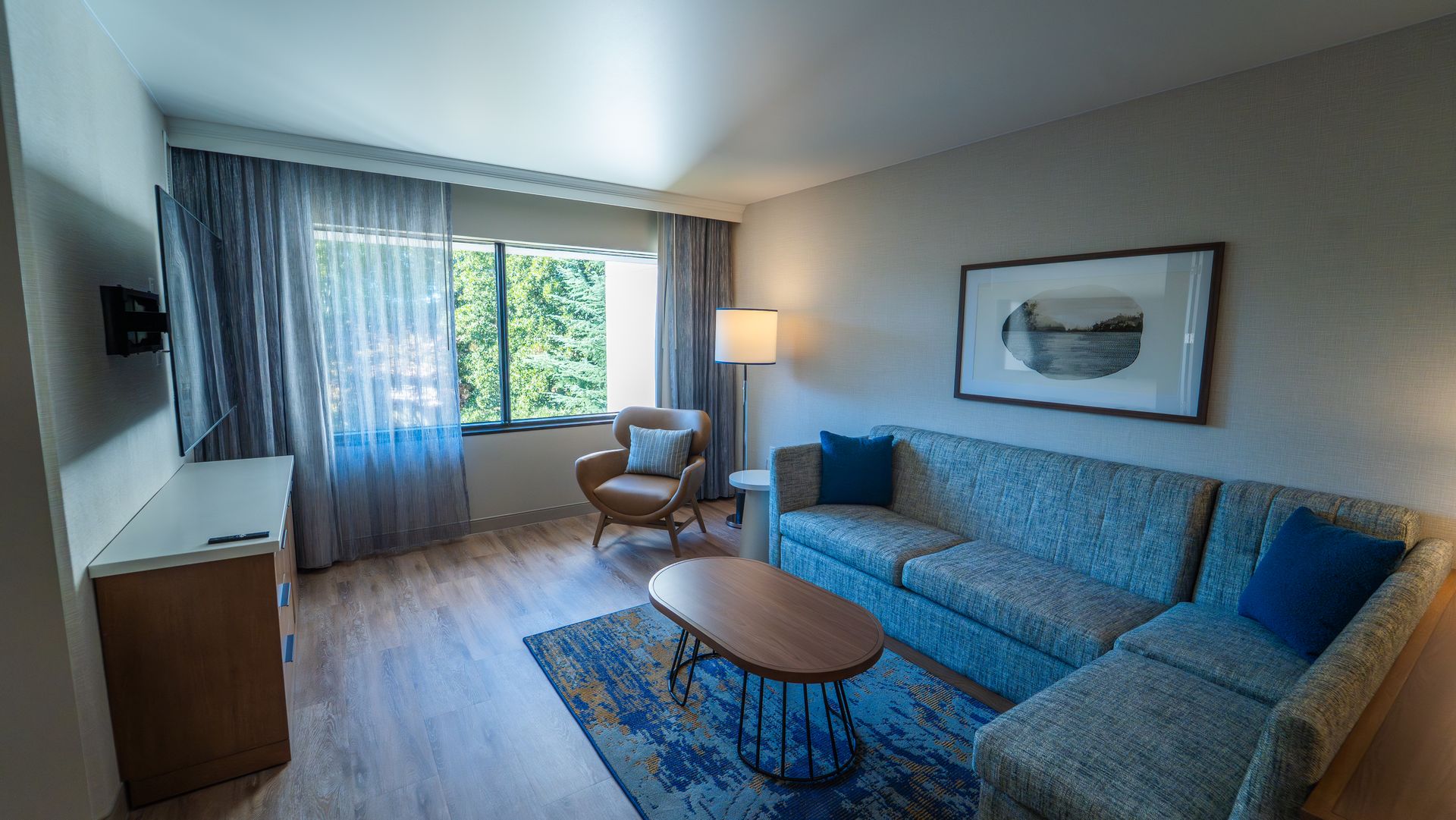
Boutique hotels represent the fastest-growing segment in the US hospitality industry, with travelers increasingly seeking authentic, personalized experiences over standardized accommodations. In 2025, boutique hotel renovation projects are focusing on creating distinctive character, local authenticity, and memorable guest experiences that set properties apart from chain hotels.
The Boutique Hotel Market Boom
The boutique hotel sector is experiencing remarkable growth:
Market Growth: 25% annual growth rate in boutique hotel renovations
Guest Preference: 68% of travelers prefer boutique hotels over chains
Revenue Performance: Boutique hotels command 20-35% higher room rates than comparable chain properties
Investment Activity: $2.3 billion invested in boutique hotel renovations in 2024
Defining Boutique Hotel Characteristics
What Makes a Hotel "Boutique"
Boutique hotels are distinguished by several key characteristics:
Size and Scale
Intimate Size: Typically 10-100 rooms for personalized service
Unique Layout: Non-standard room configurations and layouts
Flexible Spaces: Multi-purpose areas that adapt to guest needs
Personal Touch: Owner-operated or independently managed
Design Philosophy
Distinctive Style: Unique design that reflects local culture and character
Authentic Materials: Use of local materials and craftsmanship
Artistic Elements: Curated art collections and creative installations
Storytelling: Design that tells the property's unique story
Key Boutique Renovation Trends
1. Local Authenticity and Cultural Integration
Boutique hotels are embracing their local communities:
Cultural Connection
Local Partnerships: Collaborations with local artists, artisans, and businesses
Cultural Programming: Events and activities that showcase local culture
Community Integration: Spaces that welcome both guests and locals
Heritage Preservation: Respecting and celebrating local history
Design Authenticity
Local Materials: Sourcing materials from the surrounding region
Traditional Techniques: Incorporating local craftsmanship and methods
Cultural Motifs: Subtle integration of local design elements
Seasonal Adaptation: Design that responds to local seasons and events
2. Flexible and Multi-Functional Spaces
Boutique hotels are reimagining how spaces are used:
Adaptive Design
Transformable Rooms: Spaces that serve multiple purposes
Modular Furniture: Flexible furnishings that adapt to different uses
Outdoor Integration: Seamless connection between indoor and outdoor spaces
Technology Integration: Smart systems that enhance flexibility
Social Spaces
Community Hubs: Lobbies that function as social gathering places
Co-working Areas: Spaces for remote work and collaboration
Event Venues: Flexible areas for private events and gatherings
Dining Experiences: Restaurants that serve both guests and locals
3. Technology and Personalization
Smart technology that enhances the boutique experience:
Personalized Technology
Guest Profiles: Remembering preferences across stays
Local Recommendations: AI-powered suggestions for local experiences
Seamless Connectivity: High-speed internet and smart room controls
Digital Concierge: Personalized service through mobile apps
Operational Efficiency
Smart Management: Systems that optimize operations without losing personal touch
Energy Efficiency: Sustainable technology that reduces costs
Guest Communication: Multiple channels for guest interaction
Data Analytics: Understanding guest preferences and behavior
Case Study: Urban Boutique Transformation
The historic Brownstone Hotel in Brooklyn, New York, recently completed a $3.2 million renovation:
Before Renovation:
Dated 1980s interiors
Standard hotel amenities
Limited local character
Average daily rate: $180
After Renovation:
Brooklyn-inspired design with local artwork
Community-focused public spaces
Local food and beverage partnerships
Average daily rate: $280
Key Improvements:
Guest Rooms: Transformed 24 rooms with Brooklyn-inspired design
Public Spaces: Created community hub with local coffee shop
Local Partnerships: Collaborated with 15 local artists and businesses
Technology: Integrated smart systems while maintaining personal service
Boutique Renovation Strategies
1. Storytelling Through Design
Creating narratives that guests can experience:
Brand Story Development
Property History: Incorporating the building's unique story
Local Narrative: Telling the story of the neighborhood and community
Owner Vision: Reflecting the owner's personal story and values
Guest Journey: Designing experiences that unfold throughout the stay
Visual Storytelling
Art Collections: Curated artwork that tells a story
Photography: Local photography that captures the area's character
Design Elements: Architectural details that reflect the story
Interactive Elements: Spaces that encourage guest engagement
2. Sustainability and Authenticity
Eco-conscious design that feels genuine:
Sustainable Practices
Local Sourcing: Materials and services from the local community
Energy Efficiency: Smart systems that reduce environmental impact
Waste Reduction: Design that minimizes waste and promotes recycling
Water Conservation: Efficient fixtures and water management
Authentic Materials
Natural Finishes: Wood, stone, and other natural materials
Reclaimed Elements: Using salvaged materials when possible
Local Craftsmanship: Supporting local artisans and craftspeople
Timeless Design: Creating spaces that age gracefully
Investment and ROI Analysis
Cost Considerations
Design and Planning: $50,000 - $150,000
Construction and Materials: $200,000 - $800,000
Technology Integration: $30,000 - $100,000
Furnishings and Décor: $40,000 - $150,000
Return on Investment
Revenue Increase: 20-35% higher room rates
Occupancy Growth: 15-25% increase in bookings
Guest Loyalty: 60-75% repeat booking rate
Brand Value: Enhanced reputation and market positioning
Regional Boutique Markets
New York City
Market Focus: Urban boutique and lifestyle hotels
Key Trends: Neighborhood authenticity and cultural integration
Investment Range: $300,000 - $1 million per room
Competitive Advantages: Cultural diversity and neighborhood character
Los Angeles
Market Focus: Lifestyle and wellness boutique hotels
Key Trends: Outdoor living and wellness integration
Investment Range: $250,000 - $800,000 per room
Competitive Advantages: Climate, lifestyle, and creative culture
Miami
Market Focus: Art and design boutique hotels
Key Trends: Artistic expression and tropical design
Investment Range: $200,000 - $600,000 per room
Competitive Advantages: Art scene, beaches, and international appeal
Portland
Market Focus: Eco-friendly and sustainable boutique hotels
Key Trends: Sustainability and local food culture
Investment Range: $150,000 - $500,000 per room
Competitive Advantages: Sustainability culture and local craftsmanship
Implementation Best Practices
1. Start with Story Development
Define Your Story: What makes your property unique?
Research Local Culture: Understand the community and its character
Identify Target Guests: Who will appreciate your story?
Create Visual Identity: Develop a cohesive design language
2. Focus on Authenticity
Local Partnerships: Build relationships with local businesses and artists
Genuine Materials: Use authentic materials that reflect the location
Personal Service: Maintain the personal touch that defines boutique hotels
Community Integration: Become part of the local community
3. Balance Technology and Personality
Smart Integration: Use technology to enhance, not replace, personal service
Guest Preferences: Remember and anticipate guest needs
Operational Efficiency: Streamline operations without losing character
Digital Presence: Create an online presence that reflects your story
4. Measure and Adapt
Guest Feedback: Regularly collect and act on guest feedback
Performance Metrics: Track occupancy, rates, and guest satisfaction
Market Trends: Stay informed about changing guest preferences
Continuous Improvement: Evolve your offering based on performance
Future Trends
2025-2030 Predictions
Hyper-Localization: Even deeper integration with local communities
Experiential Design: Spaces designed for specific experiences
Technology Personalization: AI-driven personalized experiences
Sustainability Focus: Increased emphasis on environmental responsibility
Guest Expectations
Authentic Experiences: Genuine connections with local culture
Personalized Service: Tailored experiences based on individual preferences
Community Connection: Opportunities to engage with the local community
Sustainable Practices: Environmental responsibility without sacrificing comfort
Conclusion
Boutique hotel renovation in the USA represents an opportunity to create truly unique guest experiences that stand out in a crowded market. By focusing on authenticity, local character, and personalized service, boutique hotels can command premium pricing while building lasting guest loyalty.
The key to success lies in telling a compelling story through design, building genuine connections with the local community, and maintaining the personal touch that defines boutique hospitality. Hotels that excel in these areas will be the leaders of the boutique hotel renaissance.
Ready to transform your hotel into a unique boutique destination? Contact our experts for a comprehensive boutique renovation assessment and design plan.