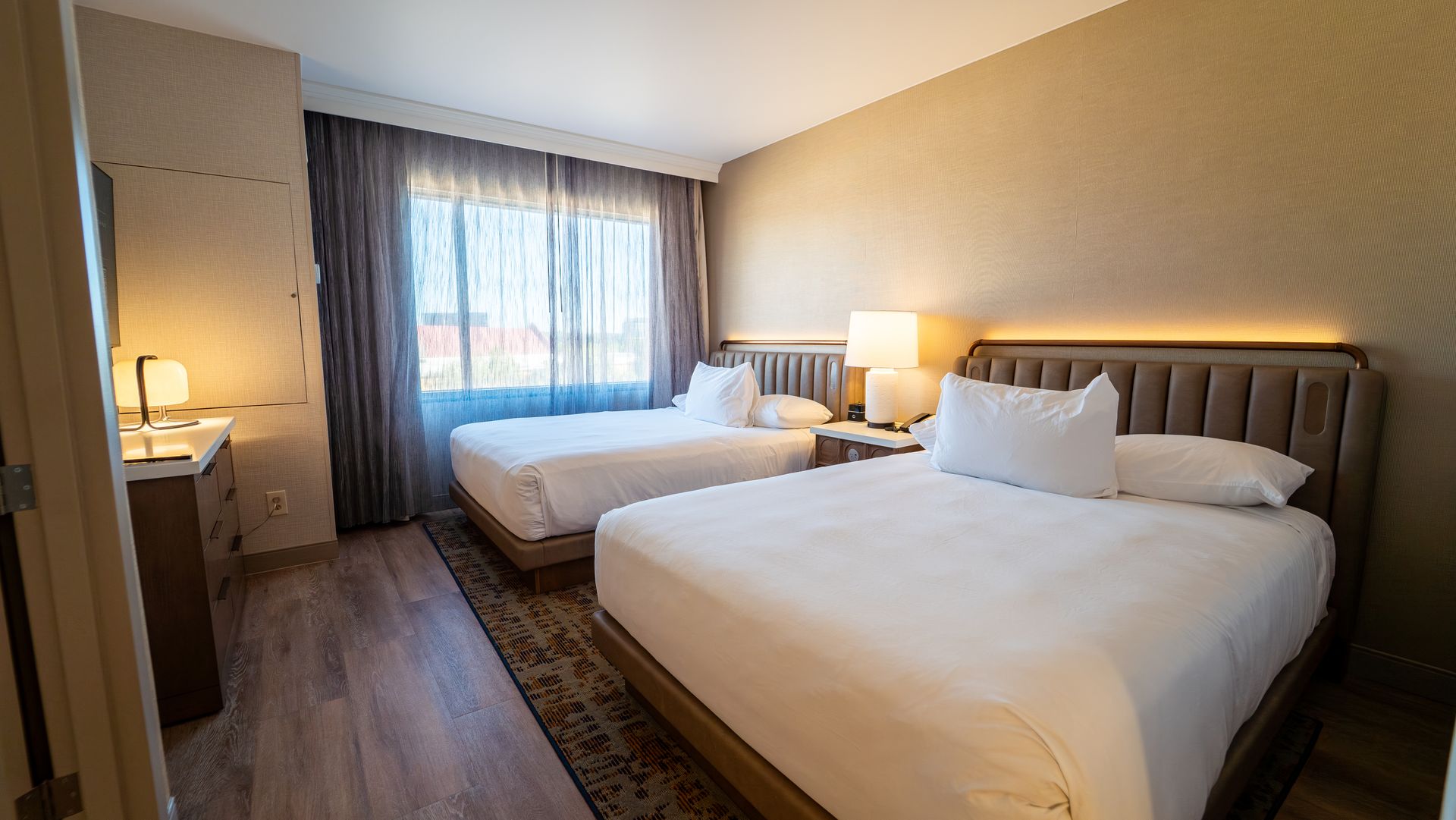
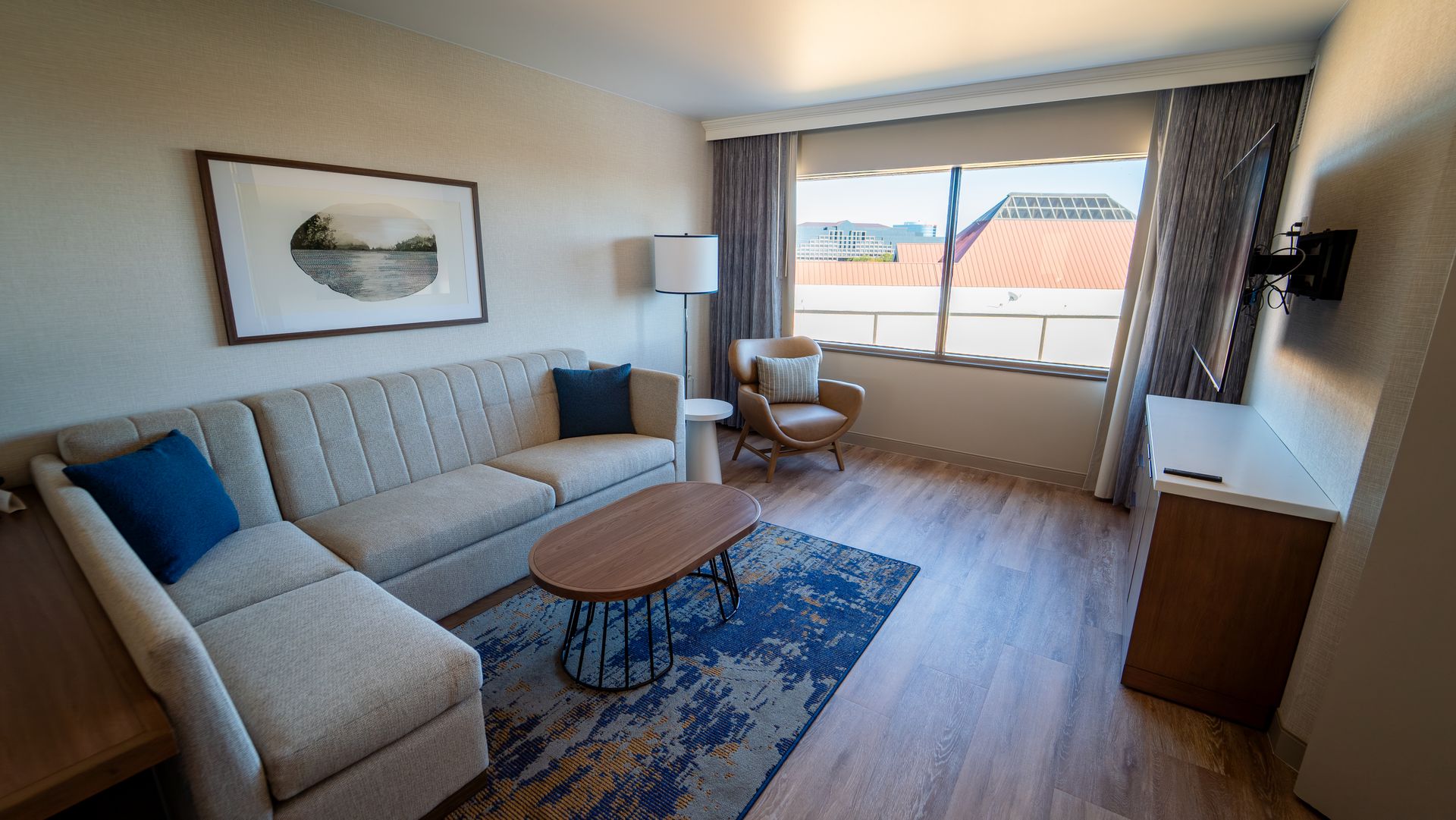
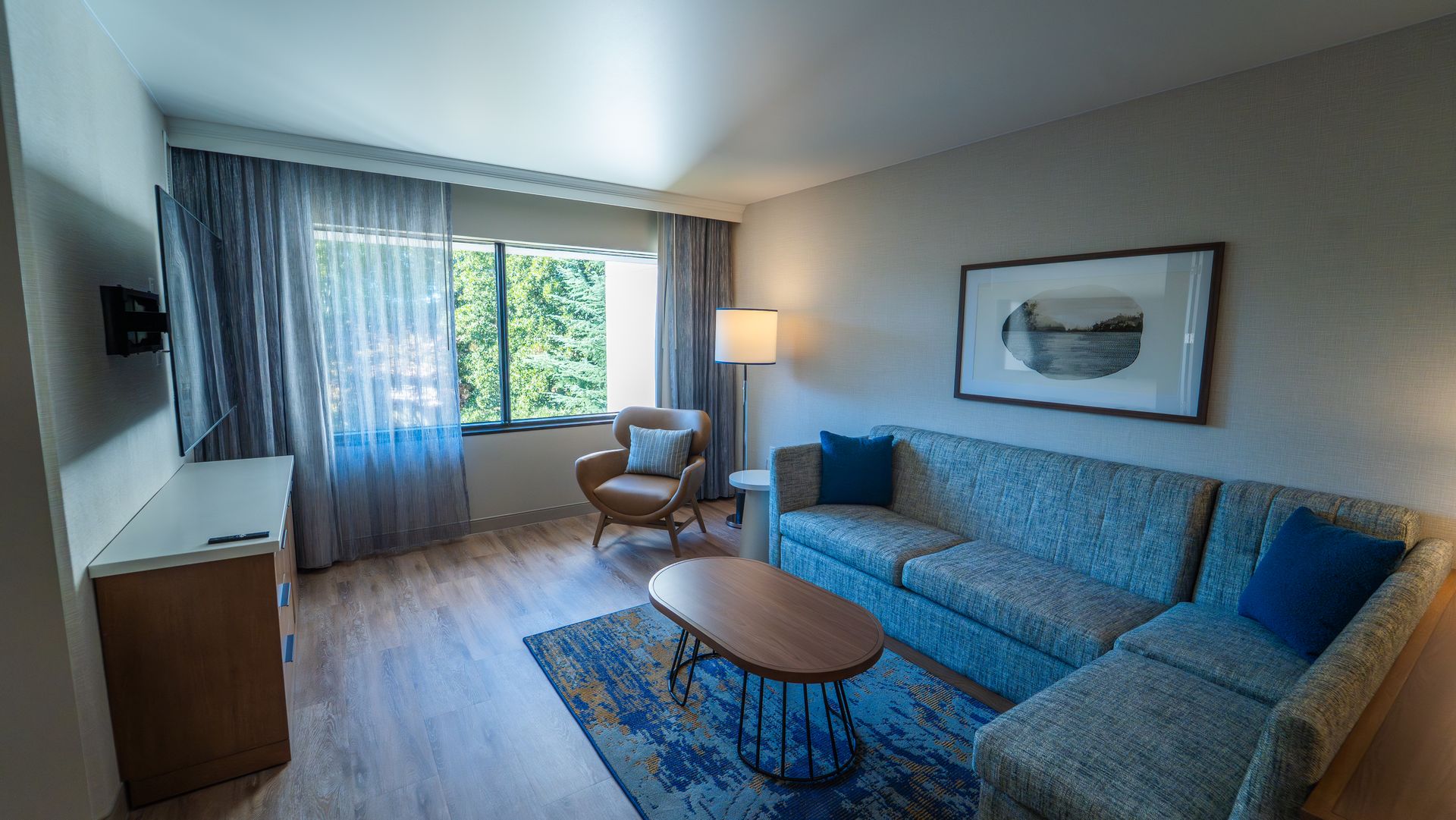
Historic hotels represent some of the most cherished landmarks in American hospitality, offering guests the opportunity to experience the grandeur and elegance of bygone eras. In 2025, historic hotel renovation projects are balancing the delicate task of preserving architectural heritage while integrating modern amenities and technology that today's guests expect.
The Value of Historic Hotels
Historic hotels offer unique advantages in the competitive hospitality market:
Cultural Significance: 78% of travelers value staying in properties with historical significance
Unique Character: Historic hotels offer experiences that cannot be replicated
Premium Pricing: Historic properties command 25-40% higher room rates
Guest Loyalty: 85% of historic hotel guests return for repeat stays
Challenges of Historic Hotel Renovation
1. Regulatory Compliance
Navigating complex preservation requirements:
Historic Preservation Laws
National Register: Properties listed on the National Register of Historic Places
Local Ordinances: City and county preservation regulations
Tax Incentives: Federal and state tax credits for historic preservation
Review Processes: Approval requirements from preservation boards
Building Codes
Modern Safety Standards: Meeting current fire and safety codes
Accessibility Requirements: ADA compliance while preserving character
Energy Codes: Balancing efficiency with historic integrity
Seismic Standards: Earthquake safety in older buildings
2. Structural and Technical Challenges
Addressing the realities of aging buildings:
Structural Issues
Foundation Problems: Settling, cracking, and moisture issues
Load-Bearing Walls: Understanding original structural systems
Roofing Systems: Preserving or replacing historic roof structures
Masonry Deterioration: Repairing and restoring historic brick and stone
Mechanical Systems
Plumbing Upgrades: Modernizing while preserving historic features
Electrical Systems: Updating wiring without damaging historic fabric
HVAC Integration: Installing modern climate control discreetly
Technology Infrastructure: Adding modern connectivity without visual impact
Successful Historic Renovation Strategies
1. Comprehensive Documentation and Research
Understanding the building's history and significance:
Historical Research
Architectural Analysis: Understanding original design intent
Historical Documentation: Researching original plans and photographs
Material Analysis: Identifying original materials and construction methods
Cultural Context: Understanding the building's role in local history
Condition Assessment
Structural Evaluation: Comprehensive engineering analysis
Material Testing: Assessing the condition of historic materials
Environmental Analysis: Understanding moisture, temperature, and air quality
Code Compliance Review: Identifying required upgrades and modifications
2. Phased Renovation Approach
Careful planning to minimize disruption and risk:
Phase 1: Stabilization and Infrastructure
Structural Repairs: Addressing critical structural issues
Roof and Envelope: Securing the building against weather
Mechanical Systems: Updating essential building systems
Code Compliance: Meeting basic safety and accessibility requirements
Phase 2: Interior Renovation
Guest Rooms: Carefully updating while preserving character
Public Spaces: Restoring and enhancing historic areas
Service Areas: Modernizing back-of-house operations
Technology Integration: Adding modern amenities discreetly
Phase 3: Finishing and Detailing
Historic Finishes: Restoring original materials and finishes
Furnishings and Décor: Selecting period-appropriate furnishings
Landscaping: Restoring historic gardens and outdoor spaces
Interpretation: Creating educational materials about the building's history
Case Study: The Grand Hotel Transformation
The historic Grand Hotel in San Francisco, built in 1906, recently completed a $45 million renovation:
Before Renovation:
Deteriorating historic fabric
Outdated mechanical systems
Limited accessibility
Average daily rate: $350
After Renovation:
Fully restored historic features
Modern amenities and technology
Universal accessibility
Average daily rate: $550
Key Achievements:
Historic Preservation: Restored 95% of original architectural features
Modern Integration: Seamlessly integrated modern technology
Accessibility: Achieved full ADA compliance
Sustainability: Reduced energy consumption by 40%
Preservation Best Practices
1. Respecting Historic Character
Maintaining the building's authentic character:
Architectural Integrity
Original Materials: Preserving and restoring original materials when possible
Design Details: Maintaining original architectural details and proportions
Spatial Relationships: Preserving original room layouts and flow
Color and Finish: Using historically appropriate colors and finishes
Adaptive Reuse
Functional Adaptation: Adapting spaces for modern use without losing character
Sensitive Additions: Adding new elements that complement rather than compete
Technology Integration: Discreet integration of modern systems
Service Modernization: Updating service delivery while preserving atmosphere
2. Modern Amenities Integration
Adding contemporary comforts without compromising character:
Technology Integration
Hidden Systems: Concealing modern technology behind historic finishes
Wireless Solutions: Using wireless technology to minimize physical changes
Smart Controls: Integrating smart systems with period-appropriate interfaces
Connectivity: Providing high-speed internet without visual impact
Comfort and Convenience
Climate Control: Installing modern HVAC systems discreetly
Bathroom Upgrades: Modernizing bathrooms while preserving character
Kitchen Facilities: Updating food service areas for modern operations
Accessibility: Making properties accessible without compromising character
Investment and ROI Analysis
Cost Considerations
Documentation and Research: $50,000 - $150,000
Structural Repairs: $200,000 - $1 million
Historic Restoration: $300,000 - $2 million
Modern Systems: $150,000 - $800,000
Return on Investment
Revenue Increase: 25-40% higher room rates
Occupancy Growth: 20-30% increase in bookings
Guest Satisfaction: 90%+ satisfaction scores
Brand Value: Enhanced reputation and market positioning
Regional Historic Markets
New York City
Historic Inventory: 150+ historic hotels
Key Challenges: High land values and strict preservation laws
Investment Range: $500,000 - $3 million per room
Competitive Advantages: Cultural significance and prime locations
New Orleans
Historic Inventory: 80+ historic hotels
Key Challenges: Climate and hurricane protection
Investment Range: $300,000 - $1.5 million per room
Competitive Advantages: Unique architecture and cultural heritage
San Francisco
Historic Inventory: 60+ historic hotels
Key Challenges: Seismic requirements and high costs
Investment Range: $400,000 - $2 million per room
Competitive Advantages: Architectural diversity and cultural significance
Charleston
Historic Inventory: 40+ historic hotels
Key Challenges: Climate and preservation standards
Investment Range: $250,000 - $1 million per room
Competitive Advantages: Southern charm and historic character
Implementation Strategy
Phase 1: Assessment and Planning (4-6 months)
Historical Research: Comprehensive documentation of building history
Condition Assessment: Detailed analysis of building condition
Regulatory Review: Understanding all applicable regulations
Design Development: Creating preservation-sensitive design concepts
Phase 2: Stabilization (6-8 months)
Structural Repairs: Addressing critical structural issues
Weather Protection: Securing building envelope
Infrastructure Upgrades: Updating essential building systems
Code Compliance: Meeting basic safety requirements
Phase 3: Renovation (12-18 months)
Interior Restoration: Carefully restoring historic interiors
Modern Integration: Adding contemporary amenities
Technology Installation: Installing modern systems
Finishing Details: Completing restoration and decoration
Future Trends
2025-2030 Predictions
Digital Documentation: Advanced 3D scanning and documentation
Sustainable Preservation: Eco-friendly preservation techniques
Virtual Reality: Immersive historical experiences
Smart Preservation: Technology for monitoring and maintaining historic fabric
Guest Expectations
Authentic Experience: Genuine historic character and atmosphere
Modern Comfort: Contemporary amenities and technology
Educational Value: Learning about the building's history
Sustainable Practices: Environmental responsibility in preservation
Conclusion
Historic hotel renovation in the USA represents a unique opportunity to preserve our architectural heritage while creating exceptional guest experiences. By carefully balancing preservation requirements with modern needs, historic hotels can offer guests the best of both worlds: authentic historic character and contemporary comfort.
The investment in historic renovation pays dividends through increased revenue, enhanced guest satisfaction, and the preservation of cultural heritage. Hotels that excel in historic renovation today will be the cherished landmarks of tomorrow.
Ready to preserve and enhance your historic hotel? Contact our experts for a comprehensive historic renovation assessment and preservation plan.